
Hiroshima Before The Bomb
Hiroshima is a Japanese city located on the southwestern Honshu island, which was a major military center during World War II. The city was home to several military bases, factories, and depots that produced weapons and ammunition. In addition to its military importance, Hiroshima was also a cultural center with numerous historic buildings, museums, and universities. However, on August 6, 1945, Hiroshima became a target of a devastating attack that would change its course of history forever.
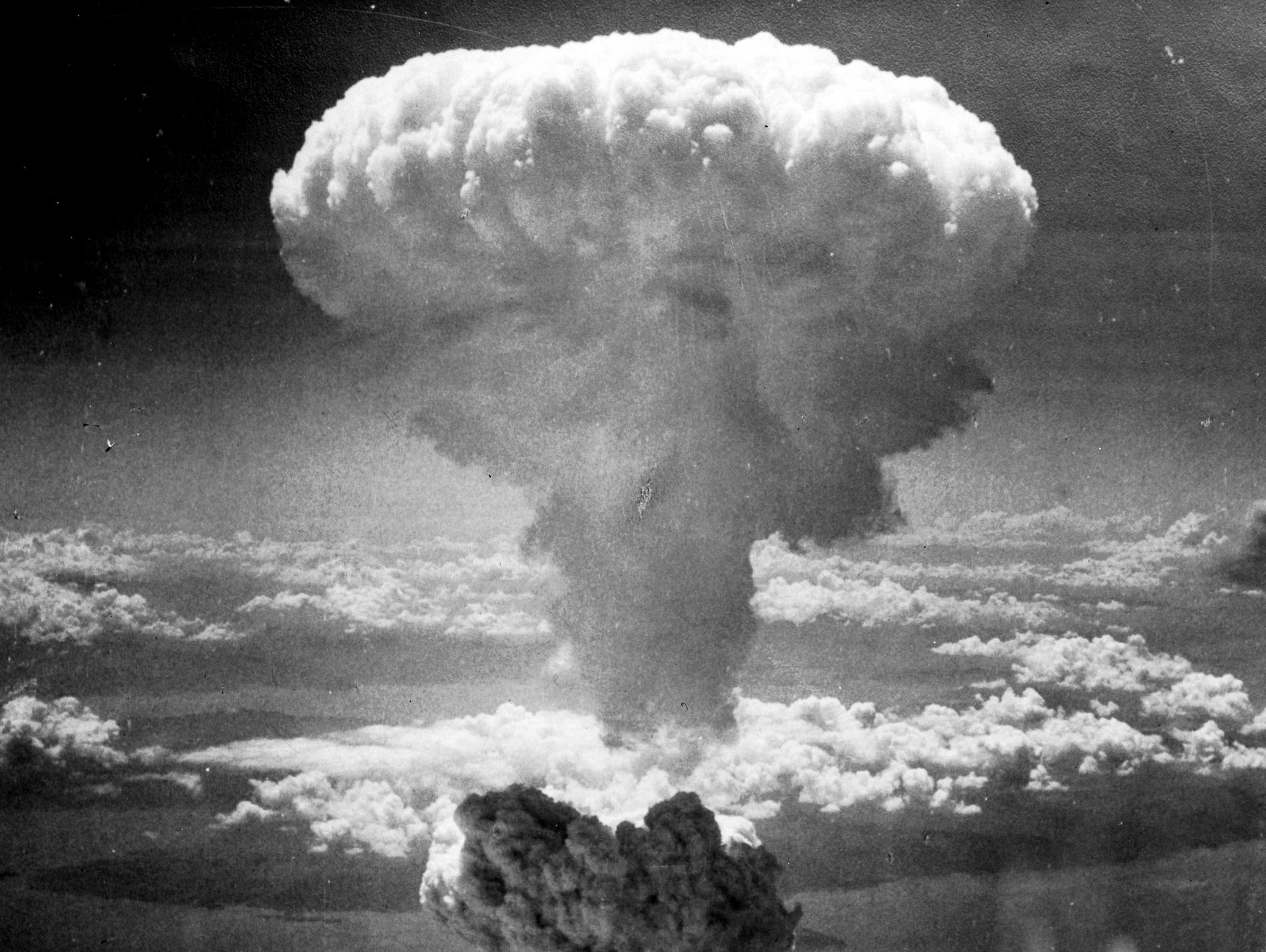
The Enola Gay
The Enola Gay was the name given to the B-29 bomber aircraft that dropped the atomic bomb on Hiroshima. The plane was piloted by Colonel Paul Tibbets and named after his mother, Enola Gay Tibbets. The Enola Gay was part of the 509th Composite Group, which was a special unit created by the United States Army Air Forces to carry out the atomic bombing mission.
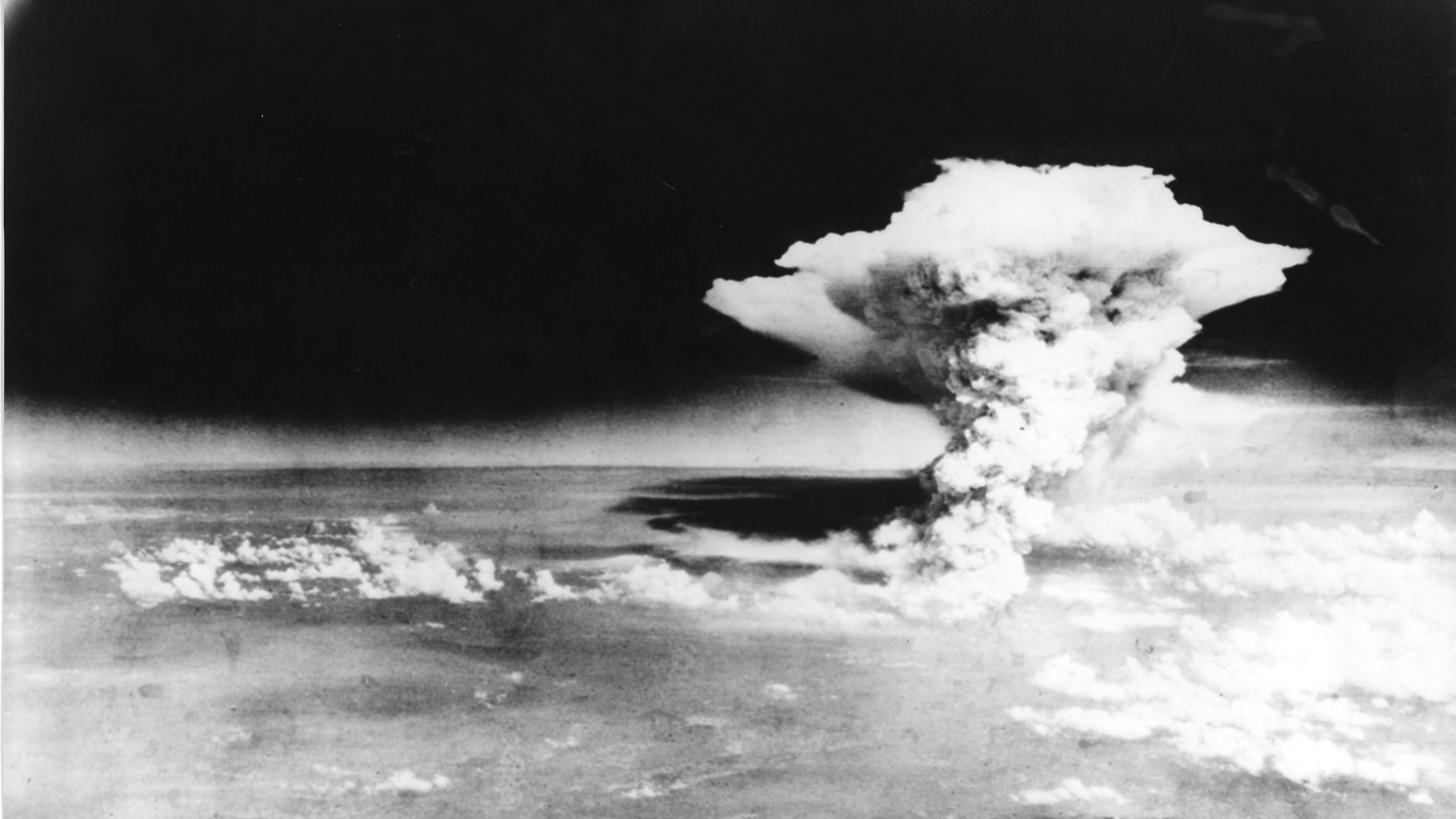
The Little Boy Bomb
The atomic bomb that was dropped on Hiroshima was called the Little Boy. It was a uranium gun-type bomb that had an explosive yield equivalent to 15 kilotons of TNT. The bomb was developed under the Manhattan Project, which was a research and development effort that produced the first nuclear weapons during World War II.

President Harry S. Truman
President Harry S. Truman was the one who authorized the use of atomic bombs against Japan. Truman became president on April 12, 1945, following the death of President Franklin D. Roosevelt. Truman was briefed about the Manhattan Project and the atomic bomb by his advisors, including Secretary of War Henry L. Stimson and General Leslie R. Groves.
/GettyImages-495835759-5b2021ddba61770037f4f291.jpg)
The Surrender of Japan
The atomic bombing of Hiroshima and Nagasaki led to the surrender of Japan and the end of World War II. On August 15, 1945, Emperor Hirohito announced Japan's surrender in a radio broadcast. The surrender was officially signed on September 2, 1945, aboard the USS Missouri in Tokyo Bay.

The Effects of the Atomic Bomb
The atomic bombing of Hiroshima had devastating effects on the city and its inhabitants. The immediate impact of the bomb was a massive explosion that destroyed buildings, homes, and infrastructure. The blast also caused a firestorm that burned for days and released large amounts of radiation into the environment. The long-term effects of the atomic bomb include increased rates of cancer, birth defects, and other health problems among survivors and their descendants.

Hiroshima Peace Memorial Park
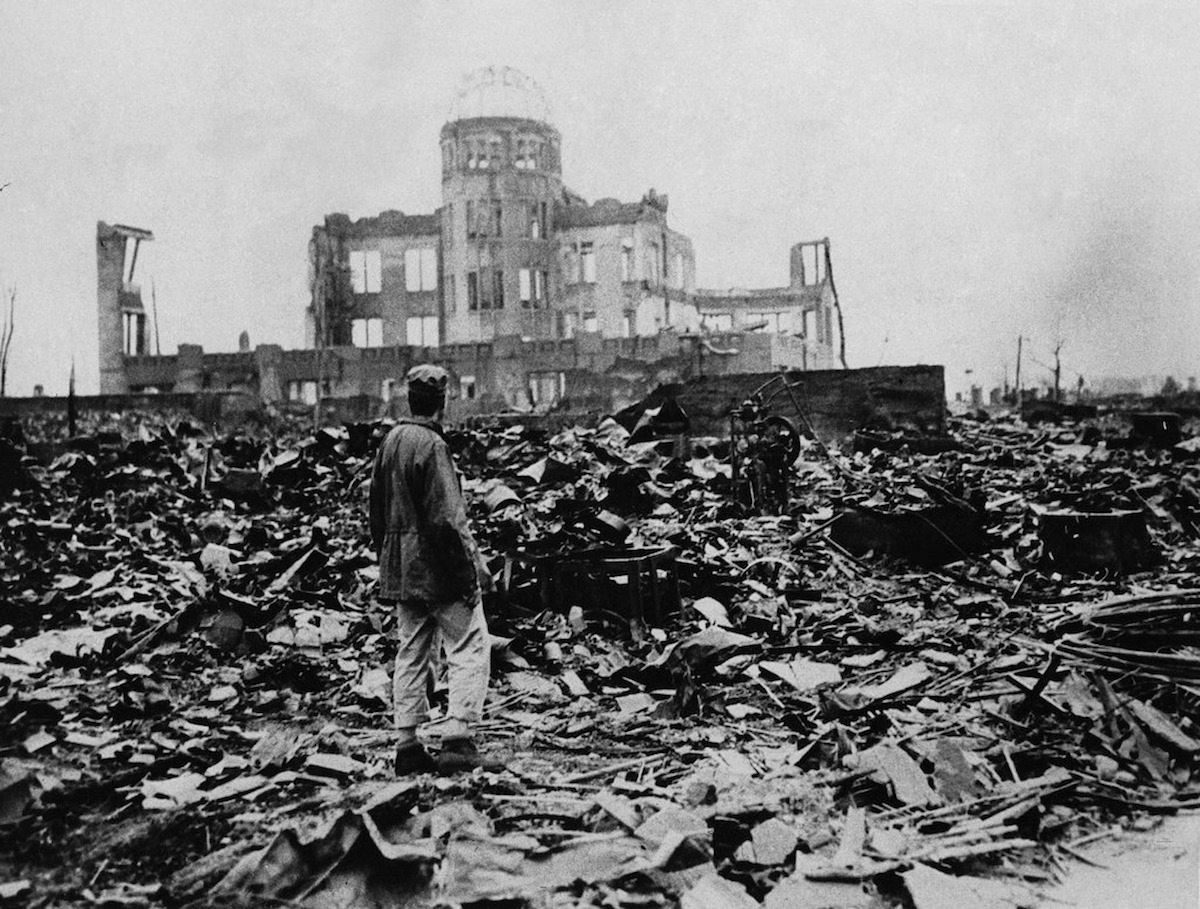
The Hiroshima Peace Memorial Park was created to commemorate the victims of the atomic bombing and promote peace and nuclear disarmament. The park is located in the center of Hiroshima and features several monuments, museums, and memorials that educate visitors about the bombing and its consequences. The most iconic structure in the park is the Atomic Bomb Dome, which is the ruins of the former Hiroshima Prefectural Industrial Promotion Hall that was destroyed by the bomb.

Nuclear Disarmament
The atomic bombing of Hiroshima and Nagasaki highlighted the destructive power of nuclear weapons and the need for international cooperation to prevent their use. The United Nations was created in 1945 to promote peace and cooperation among nations and prevent another world war. The Treaty on the Non-Proliferation of Nuclear Weapons was signed in 1968 to limit the spread of nuclear weapons and encourage disarmament.

Atomic Bomb Survivors
The survivors of the atomic bombing of Hiroshima and Nagasaki are known as hibakusha in Japanese. The hibakusha suffered from physical, emotional, and social trauma as a result of the bombing. Many of them experienced discrimination and stigma because of their exposure to radiation. The government of Japan provides medical and financial support to the hibakusha and recognizes their suffering as a consequence of the war.
The Story of Sadako Sasaki
Sadako Sasaki was a young girl from Hiroshima who developed leukemia as a result of her exposure to radiation from the atomic bomb. Sadako believed in the legend that if she folded 1,000 paper cranes, her wish for health and peace would come true. She started folding cranes while she was in the hospital and continued to fold them until she passed away at the age of 12. Sadako's story inspired the creation of the Children's Peace Monument in the Hiroshima Peace Memorial Park, which features a statue of a girl holding a crane.

The Atomic Bomb Memorial
The Atomic Bomb Memorial is a museum located in Hiroshima that documents the history of the atomic bombing and its aftermath. The museum contains artifacts, photographs, and testimonies from survivors and witnesses of the bombing. The museum also features exhibits on the science and technology behind nuclear weapons and the efforts to promote peace and disarmament.

Atomic Bomb Testing
Atomic bomb testing has been conducted by several countries since the end of World War II. The testing has led to environmental and health concerns, as well as political tensions and arms races. The Comprehensive Nuclear-Test-Ban Treaty was signed in 1996 to ban all nuclear testing worldwide, but it has not been ratified by some countries, including the United States and North Korea.
:max_bytes(150000):strip_icc()/GettyImages-495835759-5b2021ddba61770037f4f291.jpg)
Hiroshima Today
Today, Hiroshima is a thriving city that is known for its culture, history, and resilience. The city has rebuilt itself after the atomic bombing and has become a center for peace and nuclear disarmament. Hiroshima is also home to several universities, museums, and festivals that attract visitors from around the world. The city continues to remember the victims of the bombing and promote a message of hope and peace for the future.
Conclusion
The atomic bombing of Hiroshima was a tragic event that had a profound impact on the world. The bombing led to the end of World War II, but it also caused immense suffering and devastation for the people of Hiroshima. Today, Hiroshima stands as a symbol of peace and resilience, and its story serves as a reminder of the destructive power of nuclear weapons and the need for global cooperation to prevent their use.