:max_bytes(150000):strip_icc()/does-honey-go-bad-1388300-FINAL-0930d61fdee84207a1825a55907652db.jpg)
Honey is one of the most versatile and popular sweeteners in the world, known for its unique flavor, golden color, and numerous health benefits. But have you ever wondered why honey does not go bad, even after years of storage?
The Science Behind Honey

The answer lies in the chemical composition of honey. Honey is a natural product made by bees from the nectar of flowers. Bees collect the nectar and store it in their honeycombs, where enzymes in their stomachs break down the sugars and turn them into glucose and fructose.
Once the bees have filled the honeycomb with nectar, they fan their wings to evaporate the water content, which thickens the mixture into honey. The bees then seal the honeycomb with wax to keep the honey fresh.
The Antibacterial Properties of Honey

One of the reasons why honey does not go bad is because of its antibacterial properties. Honey contains an enzyme called glucose oxidase, which produces hydrogen peroxide when it comes into contact with water. This helps to kill any bacteria or fungi that may be present in the honey.
In addition, honey has a low water content, which makes it difficult for bacteria to grow. Bacteria need water to survive and thrive, so the low water content of honey prevents them from multiplying and spoiling the honey.
The Shelf Life of Honey

The shelf life of honey depends on several factors, such as the type of honey, the storage conditions, and the packaging. Generally, honey can last for years without going bad as long as it is stored properly.
Raw honey, which is unprocessed and unfiltered, has a longer shelf life than processed honey. This is because raw honey contains more enzymes, vitamins, and minerals that help to preserve the honey.
How to Store Honey

To ensure that your honey stays fresh for as long as possible, it is important to store it properly. Here are some tips:
- Store honey in a cool, dry place away from direct sunlight.
- Do not store honey in the refrigerator, as this can cause crystallization.
- Keep honey in a tightly sealed container to prevent moisture from getting in.
- If your honey has crystallized, place the container in warm water to liquify it.
The Benefits of Honey

In addition to its long shelf life, honey has numerous health benefits. Honey is rich in antioxidants, which help to protect the body against free radicals that can cause damage to cells and tissues.
Honey also has antibacterial and anti-inflammatory properties, which can help to boost the immune system and reduce inflammation in the body. Some studies have even suggested that honey may have anti-cancer properties, although more research is needed in this area.
Conclusion
In conclusion, honey does not go bad because of its unique chemical composition and antibacterial properties. Honey can last for years without spoiling as long as it is stored properly. So, the next time you reach for a jar of honey, remember to store it in a cool, dry place and enjoy its delicious flavor and health benefits!
Related video of Why Does Honey Not Go Bad
Grey hair is a common sign of aging, but have you ever wondered why it happens? In this article, we will explore the science behind why hair turns grey and what factors contribute to this natural process.
What Causes Hair to Have Color?

Hair color is determined by the amount and type of melanin in the hair follicle. Melanin is a pigment produced by specialized cells called melanocytes, which are located at the base of each hair follicle. There are two types of melanin: eumelanin and pheomelanin. Eumelanin is responsible for shades of brown and black, while pheomelanin produces red and blonde shades.
Why Does Hair Turn Grey?

As we age, our bodies produce less melanin, causing hair to lose its color and turn grey or white. This occurs because the melanocytes gradually die off, reducing the amount of melanin in the hair follicle. The reduction in melanin production is influenced by various factors such as genetics, stress, and environmental factors such as pollution and exposure to UV radiation.
Genetics and Grey Hair
/GettyImages-555001311-56882da15f9b586a9e52e1bd.jpg)
Genetics play a significant role in the onset of grey hair. Studies have shown that the age at which hair starts to turn grey is largely determined by our genes. For example, if your parents started to go grey in their 20s, you are more likely to experience premature greying. However, it is not just your parents' genes that influence hair color. Scientists have identified several genes that are involved in melanin production and hair pigmentation, which can influence the onset of grey hair.
Stress and Grey Hair
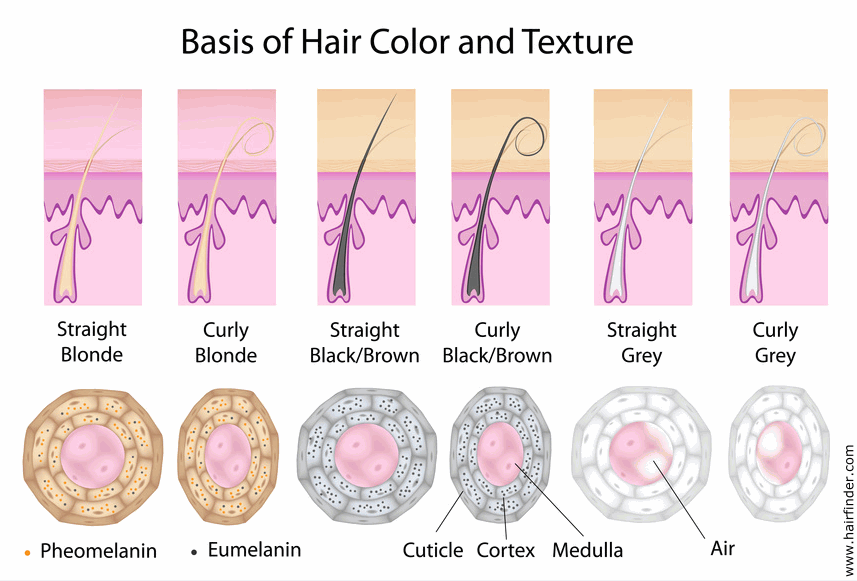
Stress has been linked to premature greying. When we experience stress, our bodies release a hormone called cortisol, which can damage melanocytes and reduce the production of melanin. This can lead to premature greying in some individuals. However, more research is needed to fully understand the relationship between stress and grey hair.
Environmental Factors and Grey Hair

Environmental factors such as pollution and exposure to UV radiation can also contribute to premature greying. Pollution can damage hair follicles and reduce melanin production, while UV radiation can cause oxidative stress, which can damage melanocytes and reduce the production of melanin. Protecting your hair from these environmental factors can help to slow down the onset of grey hair.
Can Grey Hair Be Reversed?

Unfortunately, there is currently no way to reverse grey hair. However, there are ways to slow down the onset of grey hair. Maintaining a healthy diet, reducing stress, and protecting your hair from environmental factors can all help to keep your hair healthy and delay the onset of grey hair.
In Conclusion
Grey hair is a natural part of the aging process. It occurs when the production of melanin in the hair follicle decreases, causing the hair to lose its color. Genetics, stress, and environmental factors can all contribute to the onset of grey hair. While there is no way to reverse grey hair, maintaining a healthy lifestyle can help to slow down the process and keep your hair looking healthy for longer.
Related video of Why Does Hair Turn Grey?

Introduction
Chocolate is a widely loved treat by humans. However, it can be deadly for our furry friends, dogs. Have you ever wondered why chocolate can be toxic to dogs? In this article, we will explore the reasons behind this fact.Theobromine
Chocolate contains a chemical called theobromine, which is a stimulant similar to caffeine. This chemical is what makes chocolate poisonous to dogs. While humans can metabolize theobromine easily, dogs metabolize it much slower, leading to toxicity.
Amount of Chocolate
The severity of chocolate poisoning in dogs depends on the amount and type of chocolate consumed. Dark chocolate and unsweetened baking chocolate contain the highest amount of theobromine, while milk chocolate has the least.Symptoms of Chocolate Poisoning
The symptoms of chocolate poisoning in dogs include vomiting, diarrhea, hyperactivity, tremors, seizures, and even death. It is important to seek veterinary care immediately if you suspect your dog has consumed chocolate.
Treatment for Chocolate Poisoning
The treatment for chocolate poisoning in dogs includes inducing vomiting, administering activated charcoal to absorb the remaining theobromine, and providing supportive care. In severe cases, hospitalization may be necessary.Preventing Chocolate Poisoning
The best way to prevent chocolate poisoning in dogs is to keep all chocolate and chocolate-containing products out of their reach. Be aware of foods that contain chocolate, such as cookies, cakes, and brownies, and keep them away from your furry friend.
Other Foods Toxic to Dogs
Chocolate is not the only food that is toxic to dogs. Other foods that should be kept away from them include grapes, raisins, onions, garlic, avocado, and xylitol, a sugar substitute found in many sugar-free products.Cooking Chocolate
Cooking chocolate, also known as baking chocolate, is the most dangerous type of chocolate for dogs. It contains the highest amount of theobromine and should be kept away from dogs at all times.
Chocolate Toxicity Calculator
If you suspect your dog has consumed chocolate, you can use a chocolate toxicity calculator to determine the severity of the poisoning. This calculator takes into account the type of chocolate, the amount consumed, and the weight of your dog.Conclusion
Chocolate can be a delicious treat for humans, but it can be deadly for dogs. Theobromine, a chemical found in chocolate, is toxic to dogs and can cause vomiting, diarrhea, hyperactivity, tremors, seizures, and even death. It is important to keep all chocolate and chocolate-containing products out of your furry friend's reach to prevent chocolate poisoning. If you suspect your dog has consumed chocolate, seek veterinary care immediately.Related video of Why Does Chocolate Kill Dogs?
Black pepper is one of the most common spices used in cooking worldwide. It is used in almost every cuisine, from Indian to Italian, and everything in between. However, the cost of black pepper has been on the rise in recent years, leaving many people wondering why it's so expensive.

What is Black Pepper?
Black pepper is a flowering vine that is native to India. The plant produces small, round berries that are harvested and dried to produce the peppercorn. These peppercorns are then ground up to produce the black pepper that we all know and love.
Black pepper has been used for centuries and was once so valuable that it was used as currency. It was also used to pay rent and taxes in some cultures. However, today it is a widely available spice that is used in almost every kitchen around the world.
Why is Black Pepper So Expensive?
The cost of black pepper has been on the rise in recent years due to a variety of factors. One of the main reasons is the increasing demand for the spice. As more people around the world are cooking with black pepper, the demand for it has gone up.

In addition to the increasing demand, the cost of production has also gone up. The labor-intensive process of harvesting and drying the peppercorns requires a lot of time and effort. The cost of labor has gone up in many regions where black pepper is grown, which has contributed to the rising cost of the spice.
Another factor that has contributed to the rising cost of black pepper is climate change. The black pepper plant requires specific growing conditions to produce high-quality peppercorns. Changes in weather patterns, such as droughts and floods, can damage the crop and reduce the yield.
Where is Black Pepper Grown?
Black pepper is grown in many regions around the world, but the majority of the world's black pepper comes from India and Vietnam. Other countries that produce black pepper include Brazil, Indonesia, and Malaysia.

The specific region where black pepper is grown can also affect the cost. Some regions are known for producing high-quality black pepper, which can command a higher price.
How is Black Pepper Used?
Black pepper is used in a variety of ways in cooking. It is used to add flavor to dishes and is also used as a seasoning. It can be added to soups, stews, and sauces, as well as to meat, poultry, and seafood dishes.
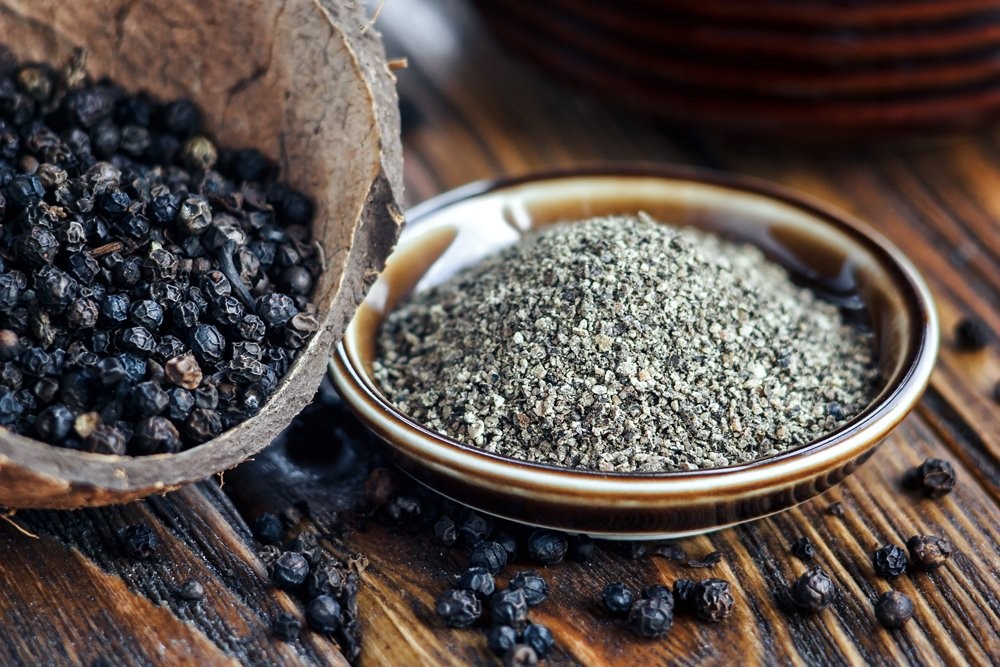
Black pepper can also be used in baking. It is often added to bread and pastry recipes to add flavor.
Is Expensive Black Pepper Worth the Price?
While expensive black pepper may seem like a luxury, many people believe that it is worth the price. High-quality black pepper can add a depth of flavor to dishes that cheaper varieties cannot match. It can also be more potent, meaning that less is needed to achieve the desired flavor.
However, it is important to note that the cost of black pepper is not always an indicator of quality. Cheaper varieties can still be of high quality, while expensive varieties may not be worth the price.
Conclusion
Black pepper is a staple spice in kitchens around the world. While the cost of black pepper has been on the rise in recent years, the reasons for this increase are varied. Factors such as increasing demand, rising production costs, climate change, and growing conditions all play a role in the cost of black pepper.
Despite its high cost, many people believe that high-quality black pepper is worth the price. Whether you choose to splurge on expensive black pepper or opt for a more affordable variety, it is important to note that the cost is not always an indicator of quality.
Related video of Why Does Black Pepper Cost So Much

Armpit hair is a common issue for both men and women. It is a natural part of the body, yet many people find it unpleasant and bothersome. One of the most common questions people ask is why does armpit hair grow so fast? This article will explore the reasons behind the rapid growth of armpit hair and what you can do to manage it.
The Purpose of Armpit Hair

Armpit hair serves a purpose in our bodies. It acts as a barrier to reduce friction between our skin and clothing. It also helps to absorb sweat and prevent body odor. Additionally, armpit hair helps to regulate body temperature by trapping heat close to the skin.
Hormones and Genetics

One of the primary reasons armpit hair grows so fast is due to hormones and genetics. Androgens, such as testosterone, stimulate hair growth in both men and women. The level of androgens in your body is determined by genetics, which is why some people have thicker and faster-growing armpit hair than others.
Age

Age is another factor that affects the growth of armpit hair. As we age, our hormone levels change, and our hair growth slows down. This is why older people tend to have less armpit hair than younger people. However, this doesn't mean that older people won't have armpit hair at all.
Diet and Lifestyle

Your diet and lifestyle can also affect the growth of armpit hair. A poor diet lacking in essential nutrients can lead to slower hair growth. Additionally, stress and lack of sleep can affect your hormone levels and lead to slower hair growth. On the other hand, a healthy lifestyle with proper nutrition and exercise can promote healthy hair growth.
Medical Conditions

Some medical conditions can also affect armpit hair growth. Hormonal imbalances, such as polycystic ovary syndrome (PCOS), can cause excessive hair growth in the armpits and other areas of the body. Additionally, thyroid disorders can affect hair growth and cause hair loss in some cases.
Managing Armpit Hair

If you find your armpit hair growth bothersome, there are several ways to manage it. Shaving is a common method, but it can cause skin irritation and ingrown hairs. Waxing and sugaring are alternative methods that remove hair from the root and can last longer than shaving. However, they can be painful and expensive.
Laser hair removal is another option that can provide long-lasting results. This method uses a laser to target hair follicles and prevent future hair growth. It can be expensive, but it is a permanent solution for unwanted armpit hair.
Conclusion
Armpit hair grows fast due to hormones, genetics, age, diet, lifestyle, and medical conditions. It serves a purpose in our bodies, but many people find it unpleasant and bothersome. Managing armpit hair can be done through shaving, waxing, sugaring, or laser hair removal. Whatever method you choose, make sure to take care of your skin to prevent irritation and infection.
Related video of Why Does Armpit Hair Grow So Fast

Warm-up exercises are essential before any workout. It is not just a simple routine but an essential part of exercising that prepares the body for the upcoming physical activity. Warm-up exercise is a short, low-intensity activity that helps to increase flexibility, body temperature, blood circulation, and prepare the muscles and joints for more intense physical activity.
Benefits of Warm-Up Exercise

There are several benefits of warm-up exercises. Some of them include:
- Prevention of injury
- Improved flexibility
- Increased body temperature
- Increased blood circulation
- Increased heart rate
- Improved breathing rate
- Enhanced performance
- Mental preparation
These benefits are very important and can help to ensure that you get the most out of your workout routine.
Prevention of Injury

Warm-up exercises can help to prevent injuries by preparing the body for the upcoming physical activity. When you warm up, your body temperature increases, and your muscles and joints become more flexible. This can help to reduce the risk of muscle strains, sprains, and other injuries.
Improved Flexibility

Warm-up exercises can also help to improve flexibility. When you warm up, your muscles and joints become more flexible, which can help to prevent injury and improve your range of motion. This can be particularly beneficial for exercises that require a lot of flexibility, such as yoga or Pilates.
Increased Body Temperature

Warm-up exercises can help to increase body temperature, which can help to improve overall performance. When your body temperature increases, your muscles become more pliable, and your joints become more mobile. This can help to reduce the risk of injury and improve your overall performance during your workout.
Increased Blood Circulation

Warm-up exercises can also help to increase blood circulation. When you warm up, your heart rate increases, and blood flow to the muscles increases. This can help to improve oxygen and nutrient delivery to the muscles, which can help to improve overall performance and reduce the risk of injury.
Increased Heart Rate

Warm-up exercises can also help to increase heart rate. When your heart rate increases, your body is better able to deliver oxygen and nutrients to the muscles. This can help to improve overall performance and reduce the risk of injury.
Improved Breathing Rate

Warm-up exercises can also help to improve breathing rate. When you warm up, your breathing rate increases, and your lungs become more efficient at delivering oxygen to the body. This can help to improve overall performance and reduce the risk of injury.
Enhanced Performance

Warm-up exercises can help to enhance performance by preparing the body for the upcoming physical activity. When you warm up, your body is better able to deliver oxygen and nutrients to the muscles, which can help to improve overall performance.
Mental Preparation

Warm-up exercises can also help to prepare you mentally for your workout. When you warm up, you can focus on your breathing, your body, and your goals. This can help to reduce stress and anxiety and improve overall performance.
Types of Warm-Up Exercises

There are several types of warm-up exercises that you can do before your workout. Some of the most common warm-up exercises include:
- Cardiovascular Exercise
- Static Stretching
- Dynamic Stretching
- Joint Mobilization
- Muscle Activation
You can choose one or more of these warm-up exercises to prepare your body for your workout.
Conclusion
Warm-up exercises are an essential part of any workout routine. They can help to prevent injuries, improve flexibility, increase body temperature, improve blood circulation, increase heart rate, improve breathing rate, enhance performance, and prepare you mentally for your workout. There are several types of warm-up exercises that you can do before your workout, so choose one or more that work for you and make them a regular part of your exercise routine.
Related video of Why Do You Warm Up Before Exercise

Have you ever experienced sore muscles after an intense workout? Whether it’s lifting weights, running, or any other physical activity, muscle soreness is a common occurrence. It can be uncomfortable and painful, but it’s a sign that your body is adapting and getting stronger.
What Causes Muscle Soreness?
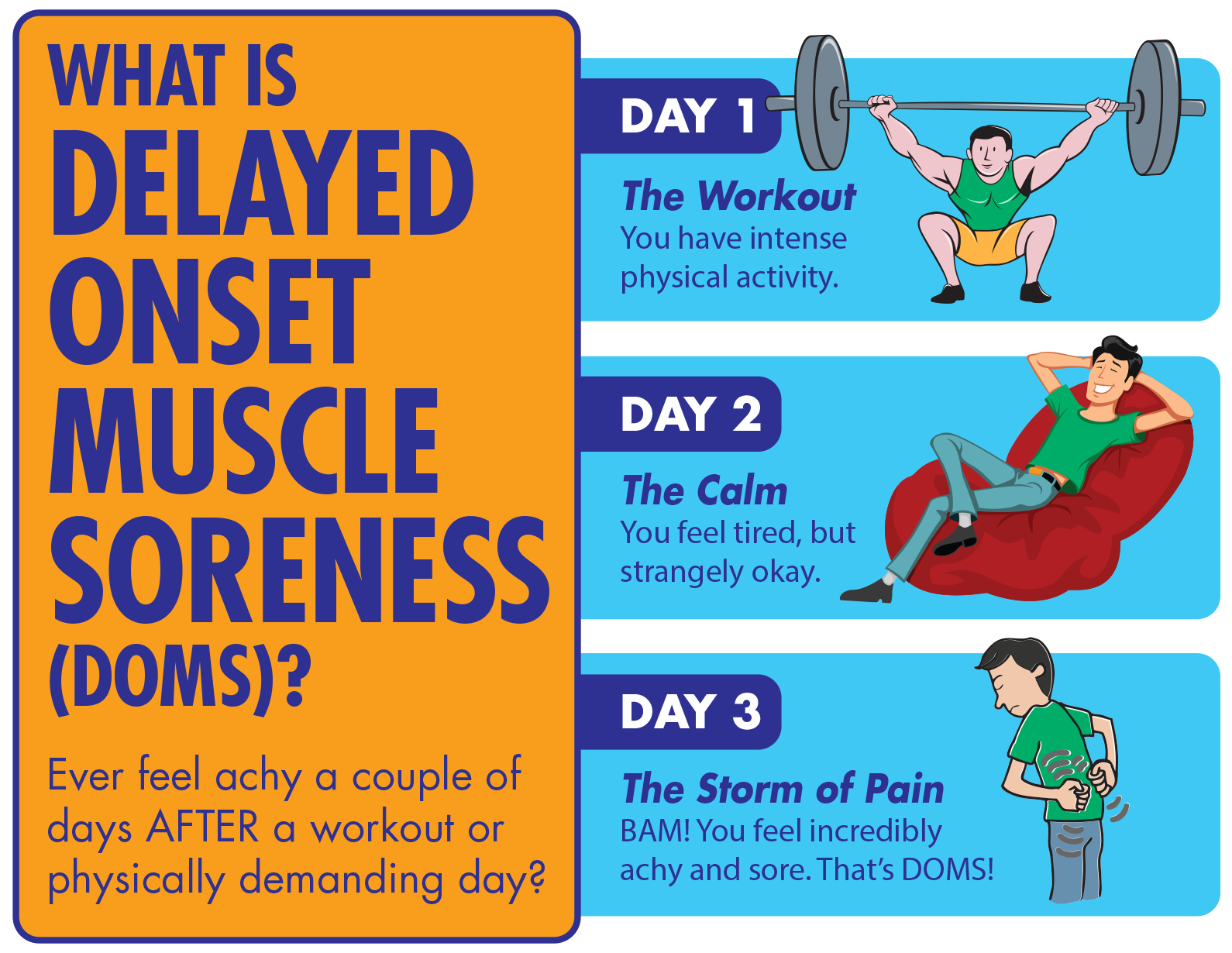
There are two types of muscle soreness: acute and delayed onset muscle soreness (DOMS). Acute muscle soreness occurs during or immediately after exercise, while DOMS occurs 24-48 hours after exercise.
Acute muscle soreness is caused when your muscles are fatigued and produce waste products such as lactic acid. This can cause a burning sensation in your muscles during exercise. DOMS, on the other hand, is caused by microscopic tears in your muscle fibers. This type of muscle soreness is more common after high-intensity or resistance training exercises.
How Does Exercise Cause Muscle Soreness?

When you exercise, you create small tears in your muscle fibers. This is a normal process and is essential for muscle growth and repair. Your body then repairs and rebuilds these muscles, making them stronger and more resilient.
During the repair process, your body also causes inflammation in the affected area. This inflammation can cause swelling, pain, and stiffness, which leads to muscle soreness.
Factors that Contribute to Muscle Soreness

There are several factors that can contribute to muscle soreness:
- Intensity of exercise
- Duration of exercise
- Type of exercise
- Previous fitness level
- Age
- Dehydration
- Poor nutrition
These factors can increase the likelihood and severity of muscle soreness after exercise.
How to Prevent Muscle Soreness

While it’s impossible to completely prevent muscle soreness, there are things you can do to minimize it:
- Start with low-intensity exercise and gradually increase intensity
- Warm up before exercise and cool down after exercise
- Stay hydrated
- Eat a balanced diet with enough protein
- Get enough rest and sleep
- Stretch before and after exercise
These tips can help reduce muscle soreness and improve your overall exercise experience.
How to Treat Muscle Soreness

If you do experience muscle soreness, there are several things you can do to alleviate the pain:
- Use ice to reduce inflammation and swelling
- Take a warm bath or use a heating pad to relax your muscles
- Take over-the-counter pain relievers such as ibuprofen or acetaminophen
- Get a massage to increase blood flow and reduce tension
These treatments can help ease the pain and discomfort of muscle soreness.
Conclusion
Muscle soreness is a common occurrence after exercise, but it’s a sign that your body is adapting and getting stronger. Understanding the causes and factors that contribute to muscle soreness can help you prevent and treat it effectively. By following these tips, you can minimize muscle soreness and improve your overall exercise experience.
Related video of Why Do You Get Sore Muscles After Exercise?
Introduction
Underwear is an essential part of our daily attire, and we wear it for various reasons. We might take it for granted, but there are several reasons why we should wear underwear. In this article, we will explore why we wear underwear.Hygiene
Underwear is worn to maintain proper hygiene. It serves as a barrier between our clothes and our private parts, keeping them clean and fresh. Our private parts produce sweat and other secretions that can cause odor and discomfort. Underwear helps to absorb these secretions, preventing them from staining our clothes.
Support
Underwear provides support to our private parts, especially for men. It helps to keep everything in place and prevent discomfort or chafing. For women, underwear provides support for their breasts and helps to prevent sagging.Comfort
Wearing underwear can make us feel more comfortable. It provides a layer of protection between our skin and our clothes, preventing irritation and discomfort from rough fabrics or seams.
Modesty
Underwear helps to maintain modesty by preventing accidental exposure of our private parts. It also provides coverage for women during their menstrual cycle.Fashion
Underwear can also be worn for fashion purposes. Some people wear sexy or stylish underwear to feel confident and attractive.