
Introduction
World War 1 was one of the deadliest conflicts in human history, involving almost every major world power. It lasted from 1914 to 1918 and resulted in millions of casualties, both military and civilian. But what led to the outbreak of this global war? In this article, we will explore the main causes of WW1.
Imperialism
One of the main causes of WW1 was imperialism, which refers to the policy of extending a country's power and influence through colonization, use of military force, or other means. Many European powers, such as Great Britain, France, Germany, and Italy, had colonies in Africa, Asia, and the Americas, and they were constantly competing for more territory and resources. This created a tense atmosphere of rivalry and suspicion between the powers.
Militarism

Another major cause of WW1 was militarism, which refers to the glorification of military power and the belief that a country should have a strong military to protect its interests. Many European countries, especially Germany, had large armies and navies, and they were constantly building up their military capabilities. This led to an arms race between the powers, which further increased tensions.
Alliances
The third main cause of WW1 was alliances, which refers to the agreements between countries to support each other in case of war. Many European countries had formed alliances with each other, such as the Triple Entente (Great Britain, France, and Russia) and the Triple Alliance (Germany, Austria-Hungary, and Italy). These alliances created a web of obligations, and when one country was attacked, its allies would be drawn into the conflict.
The Assassination of Archduke Franz Ferdinand

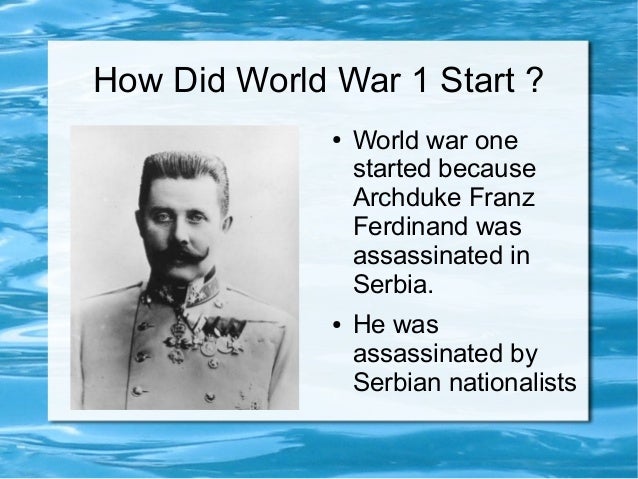
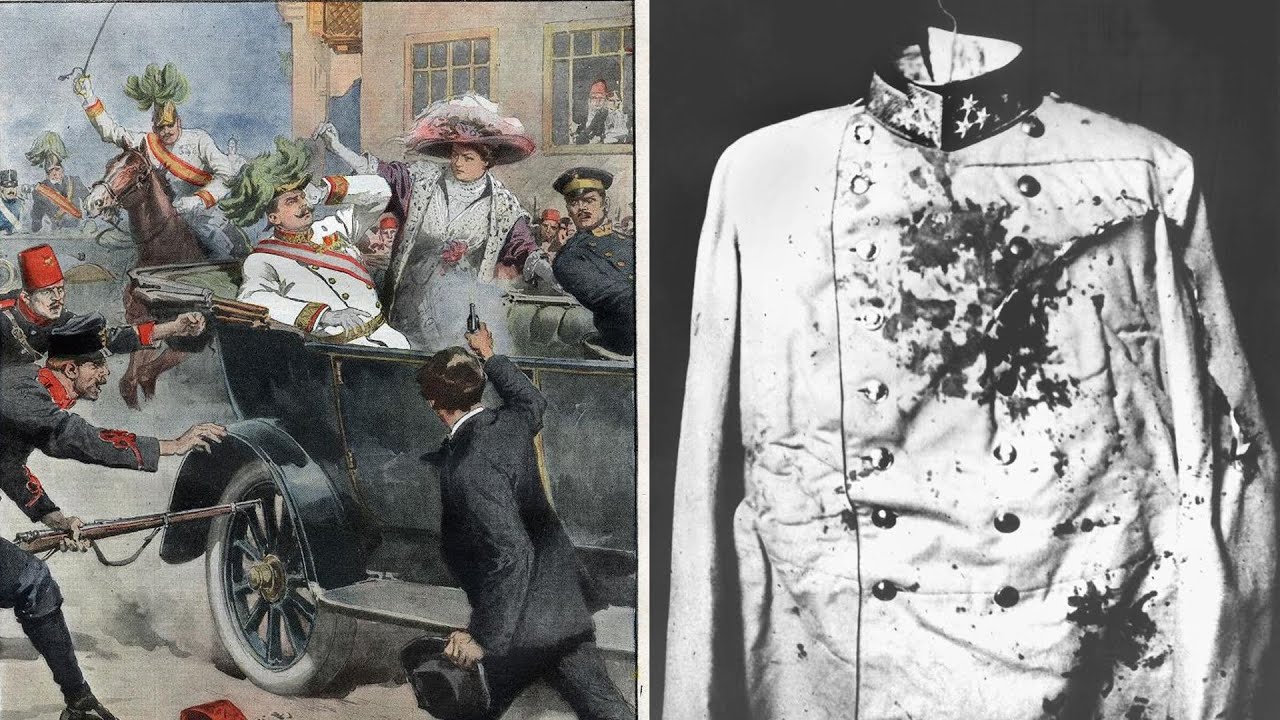
The immediate trigger for the outbreak of WW1 was the assassination of Archduke Franz Ferdinand of Austria-Hungary on June 28, 1914, by a Serbian nationalist. Austria-Hungary blamed Serbia for the assassination and declared war on it. This set off a chain reaction of alliances, and soon all the major powers were at war with each other.
The Role of Nationalism

Nationalism, which refers to the belief in the superiority of one's own nation or ethnic group, also played a significant role in the outbreak of WW1. Many European countries had nationalist movements that sought to unite their people and break away from foreign domination. This created a sense of pride and loyalty to one's own country, but it also created tensions between different nations and ethnic groups.
The Role of Economic Factors

Economic factors, such as trade and competition for resources, also contributed to the outbreak of WW1. Many European countries relied on overseas markets for their goods, and they were constantly seeking new markets to exploit. This led to conflicts over trade and resources, which further increased tensions between the powers.
The Role of Diplomacy
Diplomacy, or the art of conducting negotiations between countries, also played a role in the outbreak of WW1. Many European countries had complex diplomatic relationships with each other, and they were constantly seeking to advance their interests through diplomacy. However, these efforts often failed, and the result was a breakdown of diplomatic relations and an increase in tensions.
The Outbreak of War

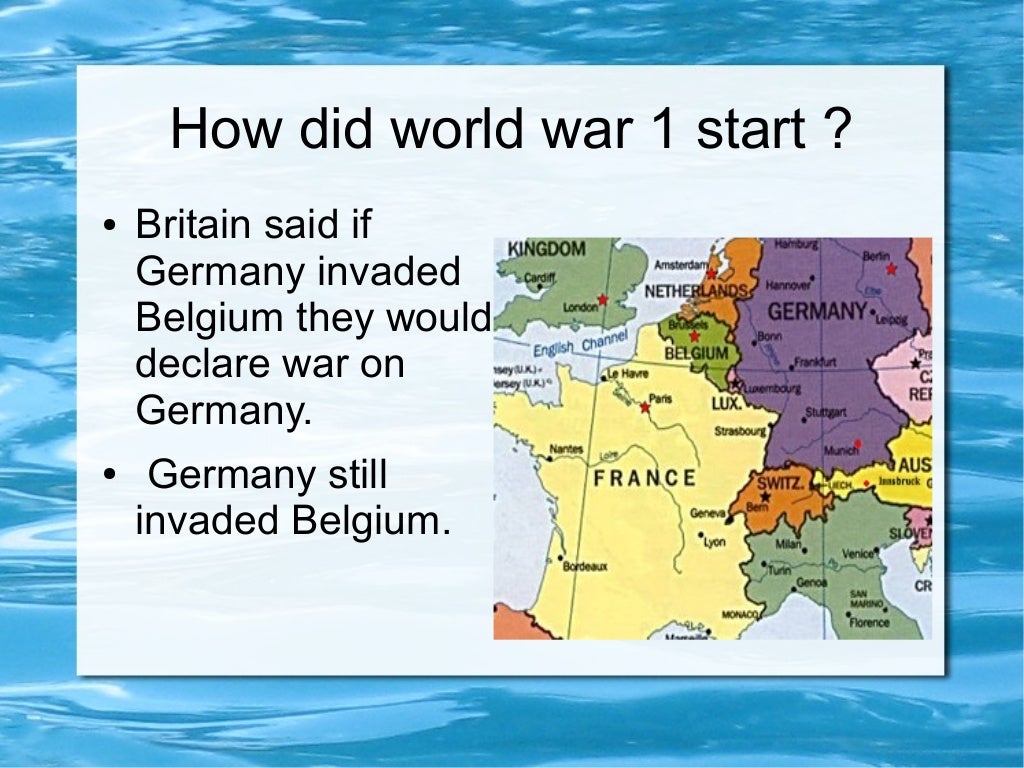
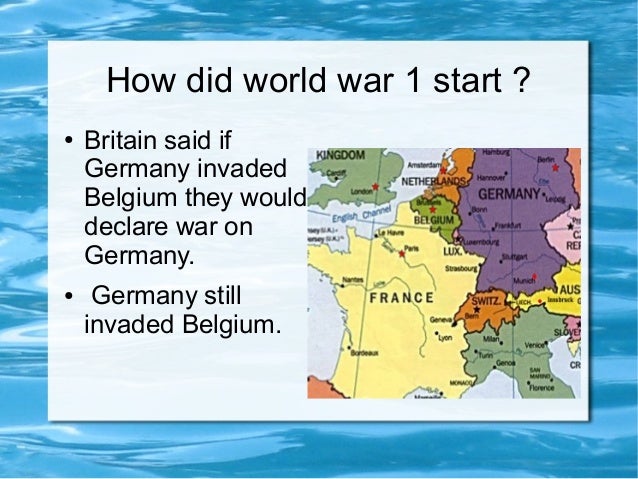
On August 4, 1914, the Great War began when Germany invaded Belgium and Luxembourg. The conflict quickly spread throughout Europe and beyond, as the major powers mobilized their armies and navies. Millions of soldiers and civilians lost their lives in the fighting, which lasted for four long years.
The Impact of WW1
WW1 had a profound impact on the world, both during and after the conflict. It led to the collapse of empires, the rise of new nations, and the redrawing of borders. It also set the stage for the even deadlier conflict of WW2, which followed just two decades later. In many ways, the world we live in today is still shaped by the events of WW1.
Conclusion
In conclusion, WW1 was a complex and multi-faceted conflict that had many causes. Imperialism, militarism, alliances, nationalism, economic factors, and diplomacy all played a role in the outbreak of the war. The assassination of Archduke Franz Ferdinand was the immediate trigger, but the underlying causes ran much deeper. Understanding these causes is essential for understanding the impact of WW1 on the world and for avoiding similar conflicts in the future.