
The heart is a crucial organ in the human body that pumps blood to all parts of the body. It is a muscular organ that contracts and relaxes, creating pressure that moves blood through the circulatory system. But what muscle is the heart exactly?
Cardiac Muscle
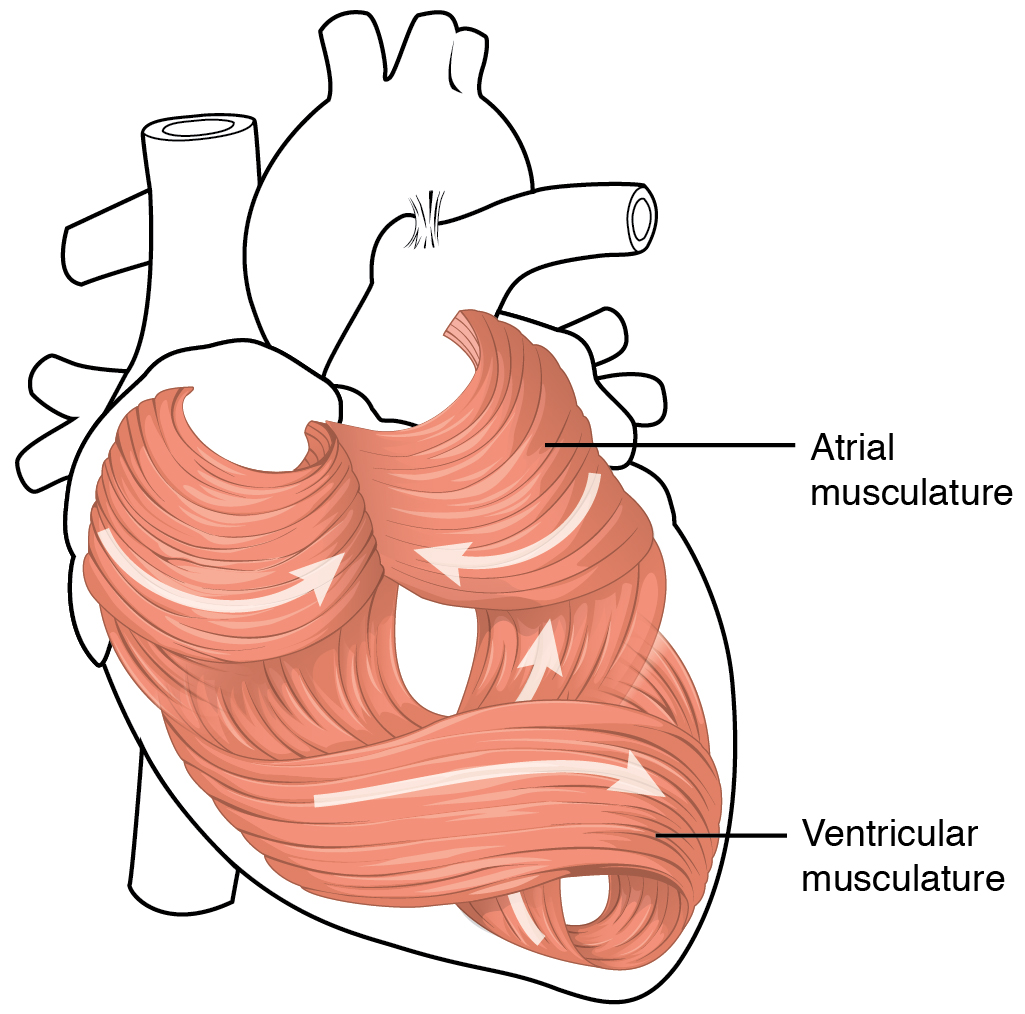
The muscle in the heart is called cardiac muscle, which is a type of involuntary muscle tissue. Involuntary muscles are muscles that work without conscious control. The cardiac muscle is also striated, which means it has a striped appearance when viewed under a microscope.
The cardiac muscle is unique because it has its own electrical conduction system, which allows it to contract and relax rhythmically without any input from the brain or nervous system.
Structure of Cardiac Muscle

The cardiac muscle is composed of individual cells called cardiomyocytes. These cells are connected by intercalated discs, which allow for the rapid spread of electrical impulses throughout the heart.
Each cardiomyocyte has a single nucleus and is about 10-20 microns in diameter. The cells are also branched, which allows for the coordinated contraction of the heart.
Function of Cardiac Muscle

The function of cardiac muscle is to pump blood throughout the body. The heart has four chambers: the right atrium, left atrium, right ventricle, and left ventricle. The atria receive blood from the body and lungs, while the ventricles pump blood out to the body and lungs.
When the heart beats, the atria contract first, pushing blood into the ventricles. Then, the ventricles contract, pushing blood out of the heart and into the circulatory system.
Importance of a Healthy Heart

A healthy heart is essential for good overall health. Maintaining a healthy lifestyle, including regular exercise and a balanced diet, can help keep the heart healthy.
It is also important to monitor blood pressure and cholesterol levels, as high levels of these can increase the risk of heart disease.
Conclusion
The heart is a vital organ in the human body that is responsible for pumping blood throughout the circulatory system. The muscle in the heart is called cardiac muscle, which is a unique type of involuntary muscle tissue.
Understanding the function and structure of the cardiac muscle can help individuals maintain a healthy heart and reduce the risk of heart disease.