Introduction
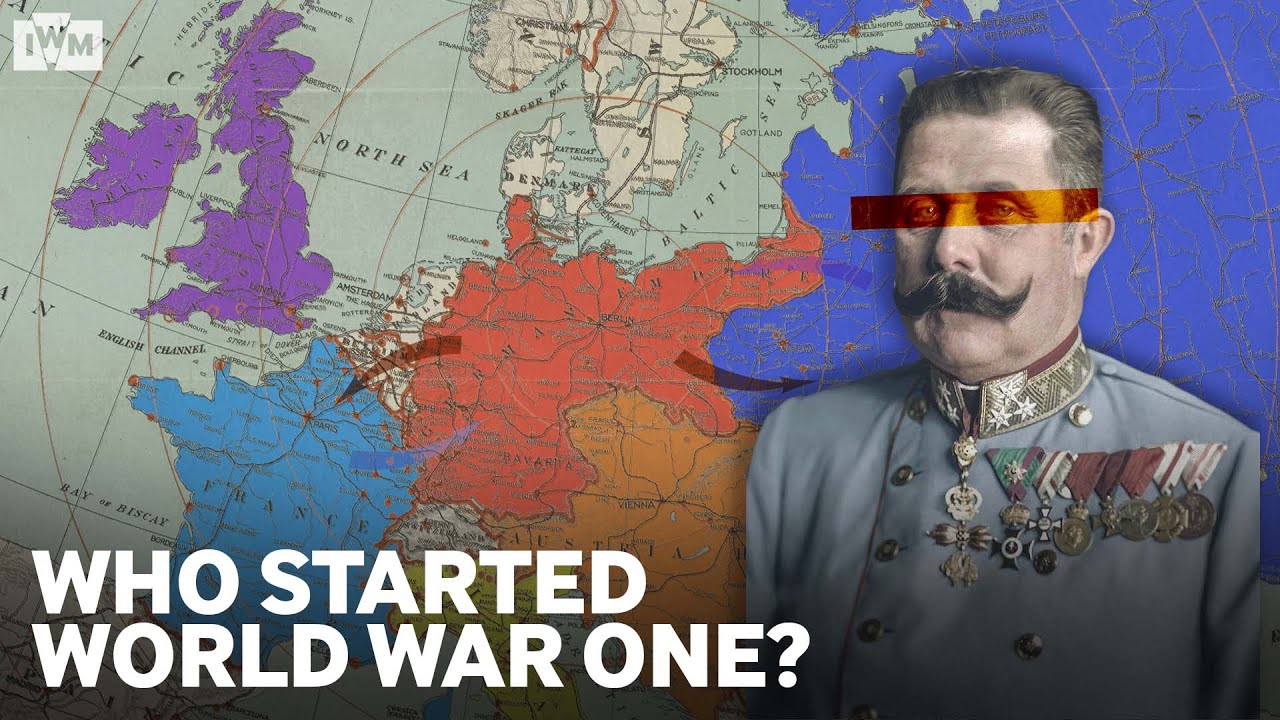
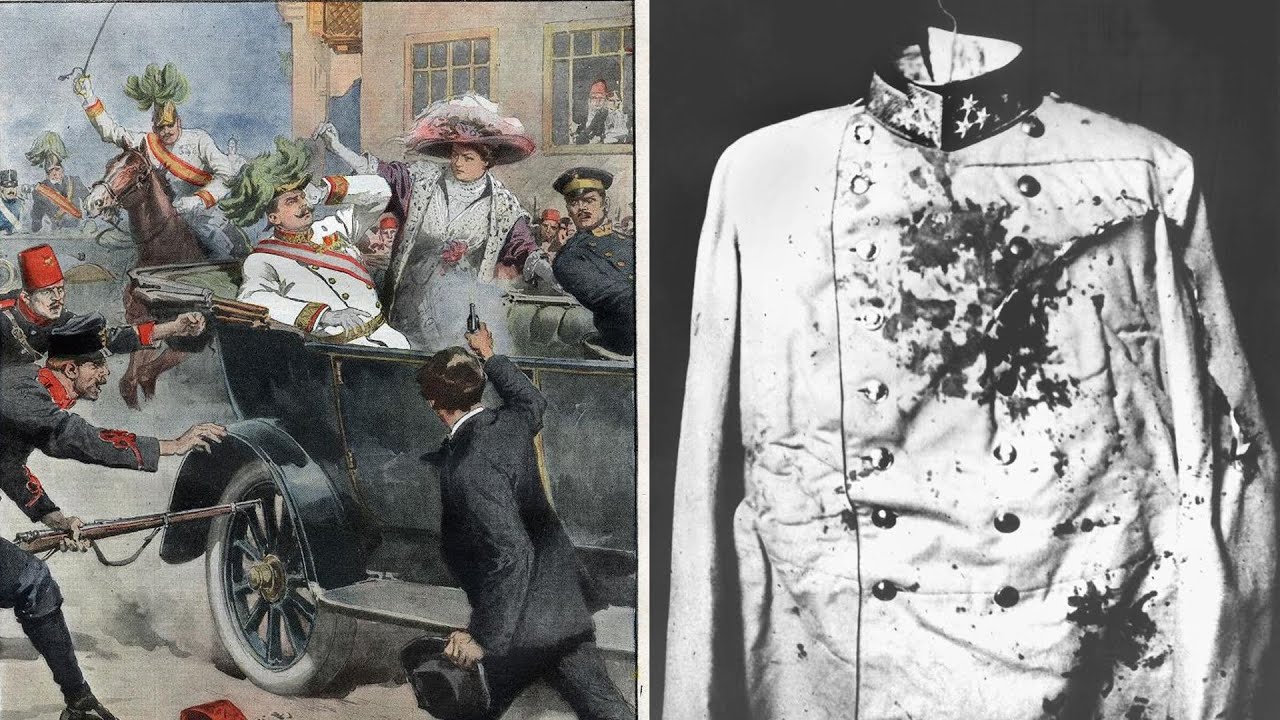
World War 1, also known as the Great War, was a global conflict that lasted from 1914 to 1918. It involved the major powers of the world, divided into two opposing alliances, the Allies and the Central Powers. The conflict was triggered by the assassination of Archduke Franz Ferdinand of Austria-Hungary on June 28, 1914, in Sarajevo, Bosnia.
The Causes of WW1
There were several underlying causes of WW1, including imperialism, nationalism, and alliances. Imperialism refers to the competition between countries for territory and resources. Nationalism, on the other hand, is the belief in the superiority of one's own nation. The buildup of alliances between major powers further increased tensions between countries and made it easier for conflict to escalate.
The Outbreak of War
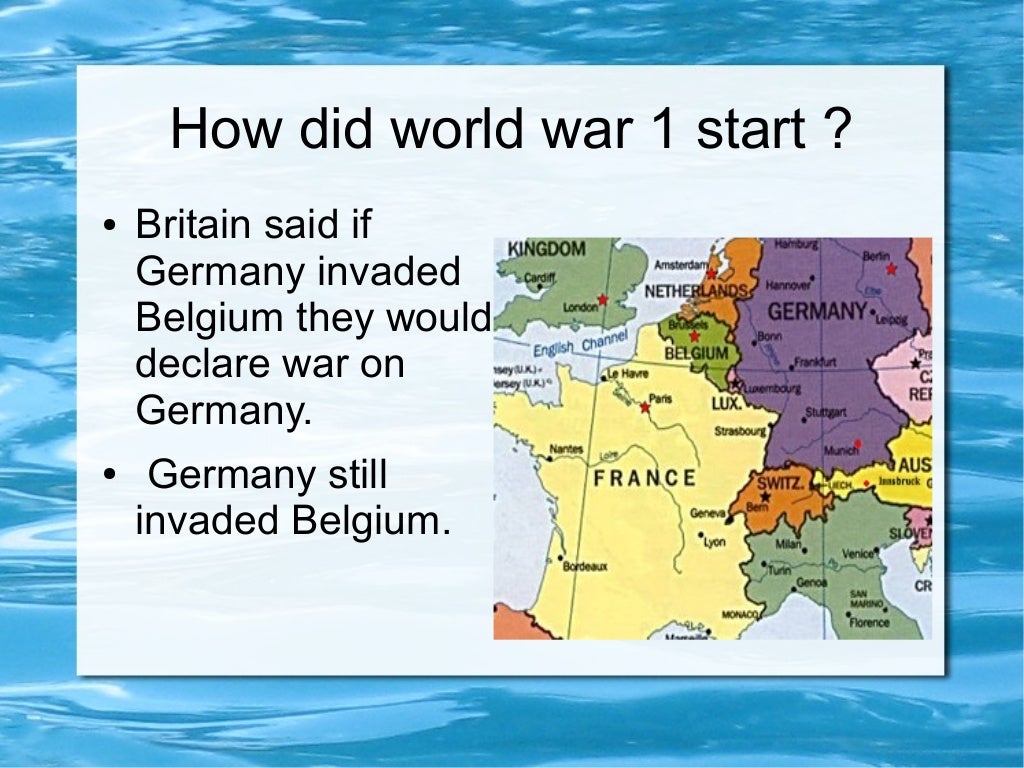
Despite efforts to prevent war, tensions continued to rise throughout Europe. On July 28, 1914, Austria-Hungary declared war on Serbia, triggering a series of alliances that quickly drew other countries into the conflict. Germany declared war on Russia and France, while Britain declared war on Germany. The war had begun.
Trench Warfare
As the war progressed, both sides dug trenches to protect their troops from enemy fire. Trench warfare became the primary method of fighting during WW1 and proved to be incredibly difficult and dangerous for soldiers. The conditions in the trenches were terrible, with soldiers living in cramped, damp quarters and constantly exposed to disease and death.
The United States Enters the War
Although the war had been raging for several years, the United States remained neutral until 1917. However, when Germany resumed unrestricted submarine warfare, attacking both civilian and military ships, the U.S. entered the war on the side of the Allies. American troops began arriving in Europe in large numbers in 1918, helping to turn the tide of the war.
The End of the War
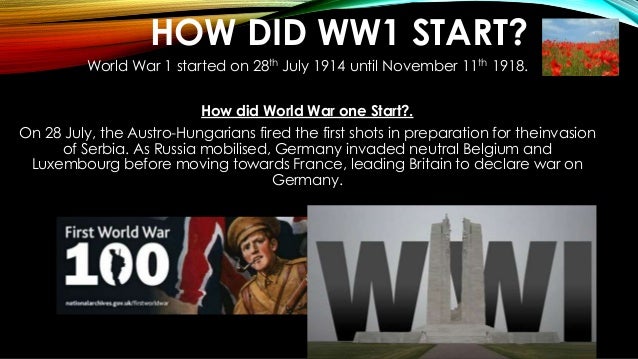
By 1918, the war had taken a heavy toll on both sides. Millions of soldiers and civilians had been killed, wounded, or displaced. However, the tide of the war had turned in favor of the Allies, thanks in part to the arrival of American troops. On November 11, 1918, Germany signed an armistice, bringing an end to the war.

The Aftermath of WW1
The aftermath of WW1 was marked by political and social upheaval, including the collapse of empires, the rise of new nations, and the emergence of communism. The Treaty of Versailles, signed in 1919, imposed harsh penalties on Germany and set the stage for the rise of Hitler and the Nazi party in the 1930s.

Conclusion
World War 1 was a global conflict that had far-reaching consequences for the world. It was triggered by a complex set of factors, including imperialism, nationalism, and alliances. The war had a profound impact on the world, leading to the deaths of millions of people and the emergence of new political and social forces.