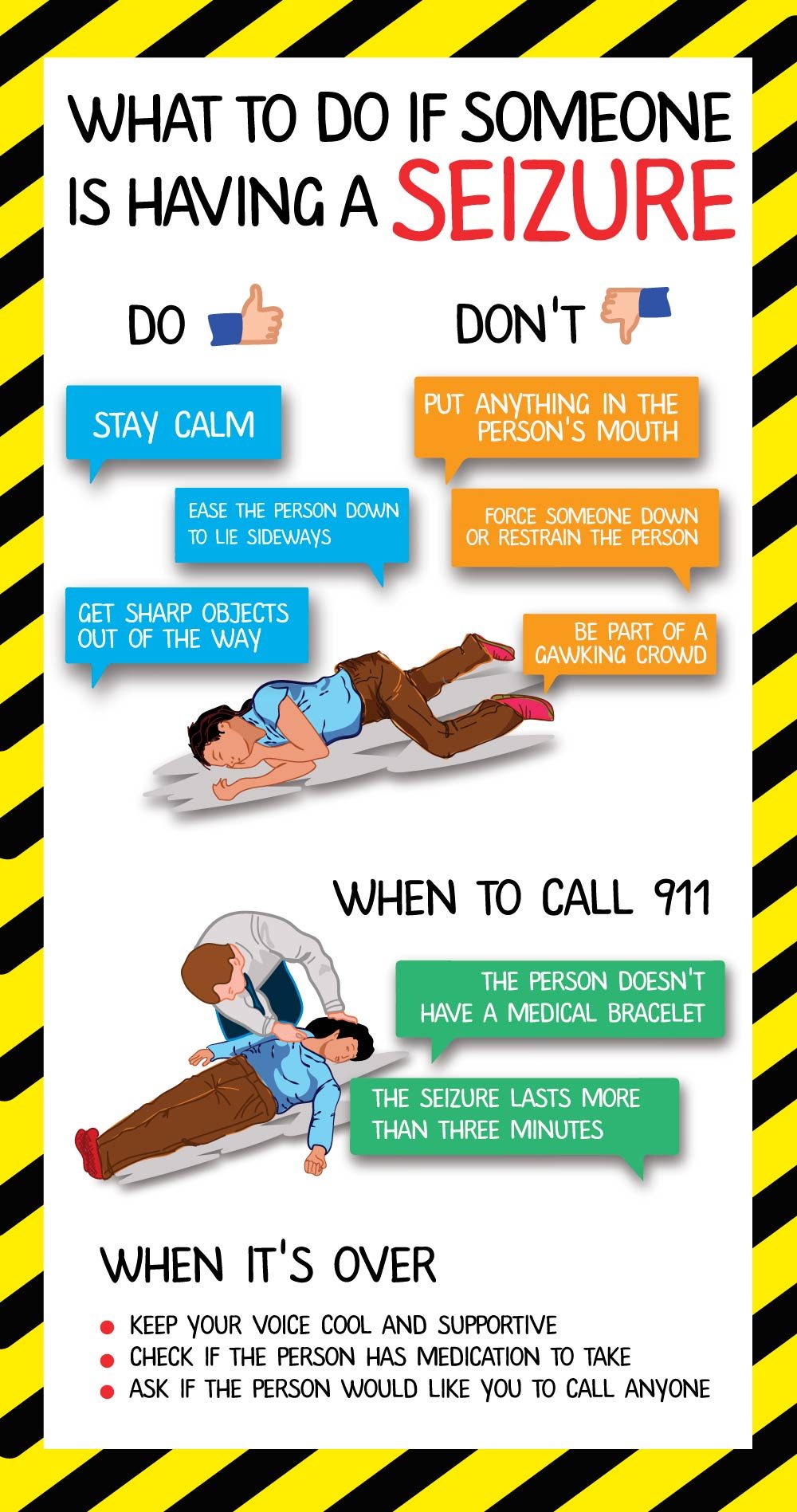
Seizures are a common occurrence, and they can happen to anyone, regardless of age. It is essential to know what to do if someone has a seizure. Seizures can be scary, but with the right knowledge, you can help the person experiencing it.
Stay Calm
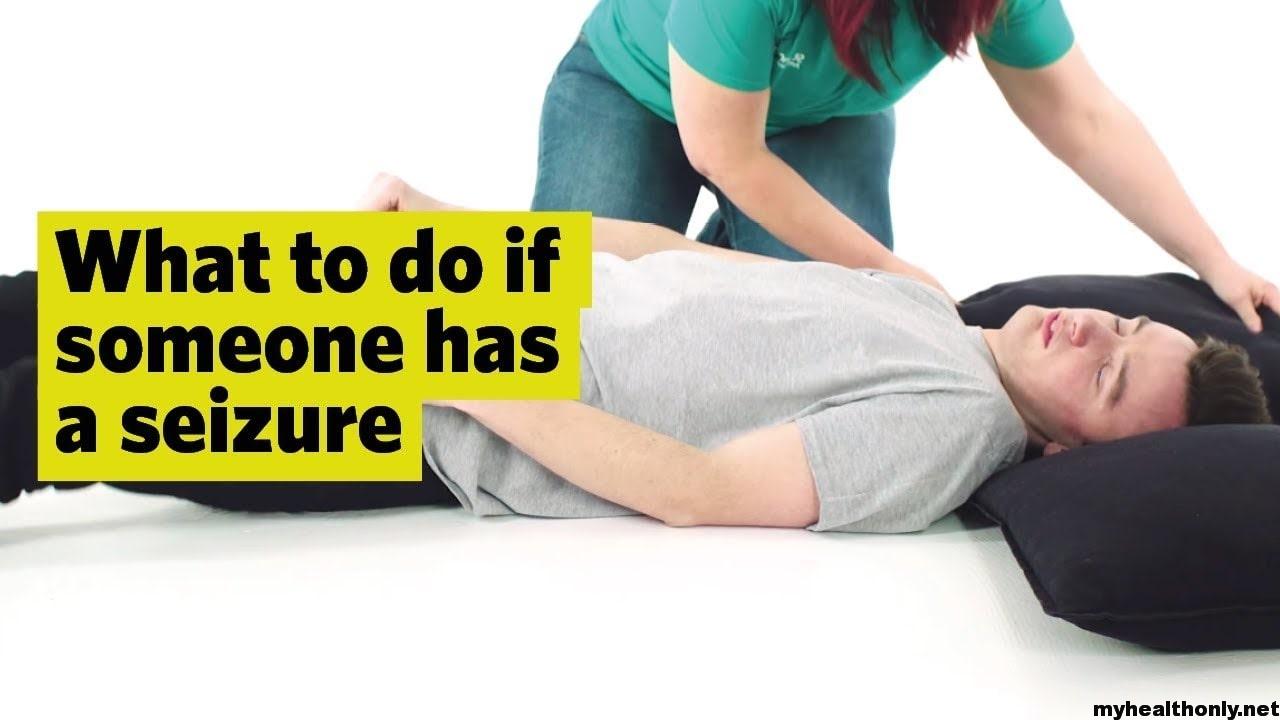
The first and most important thing to do when someone has a seizure is to stay calm. Do not panic, as this can make the situation worse. Keep in mind that seizures are usually short-lived and will end on their own.
Protect The Person
_Final_800.jpg?MOD=AJPERES&CVID=)
If the person is standing, gently guide them to the ground, protecting their head from hitting any hard surfaces. If they are already on the ground, move any objects that may cause harm away from them.
Do Not Restrict Their Movement

It is important not to restrict the person's movement during a seizure, as this can cause injury. Do not hold them down, and do not put anything in their mouth. Contrary to popular belief, people do not swallow their tongue during a seizure.
Time The Seizure

It is essential to time the seizure so that you can inform medical professionals of how long it lasted. Seizures that last longer than five minutes are considered a medical emergency and require immediate medical attention.
Stay With The Person

Stay with the person until the seizure ends. After the seizure, the person may feel confused, tired, or disoriented. Reassure them, and let them know what happened.
Call For Medical Help
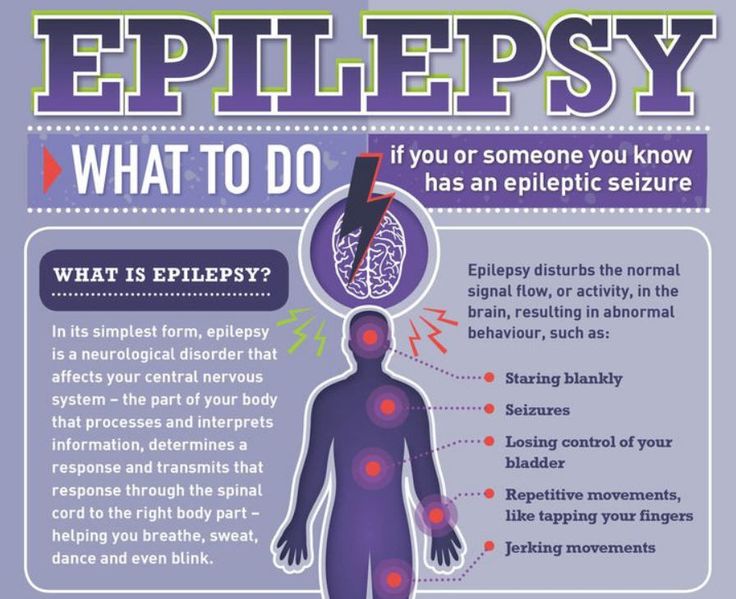
If the person has a seizure for the first time, or if it lasts longer than five minutes, call for medical help immediately. Also, call for help if the person is injured during the seizure or if they are pregnant.
Do Not Give Water Or Food

Do not give the person water or food until they are fully conscious. They may choke on the food or water if they are still disoriented.
Make A Note Of What Happened
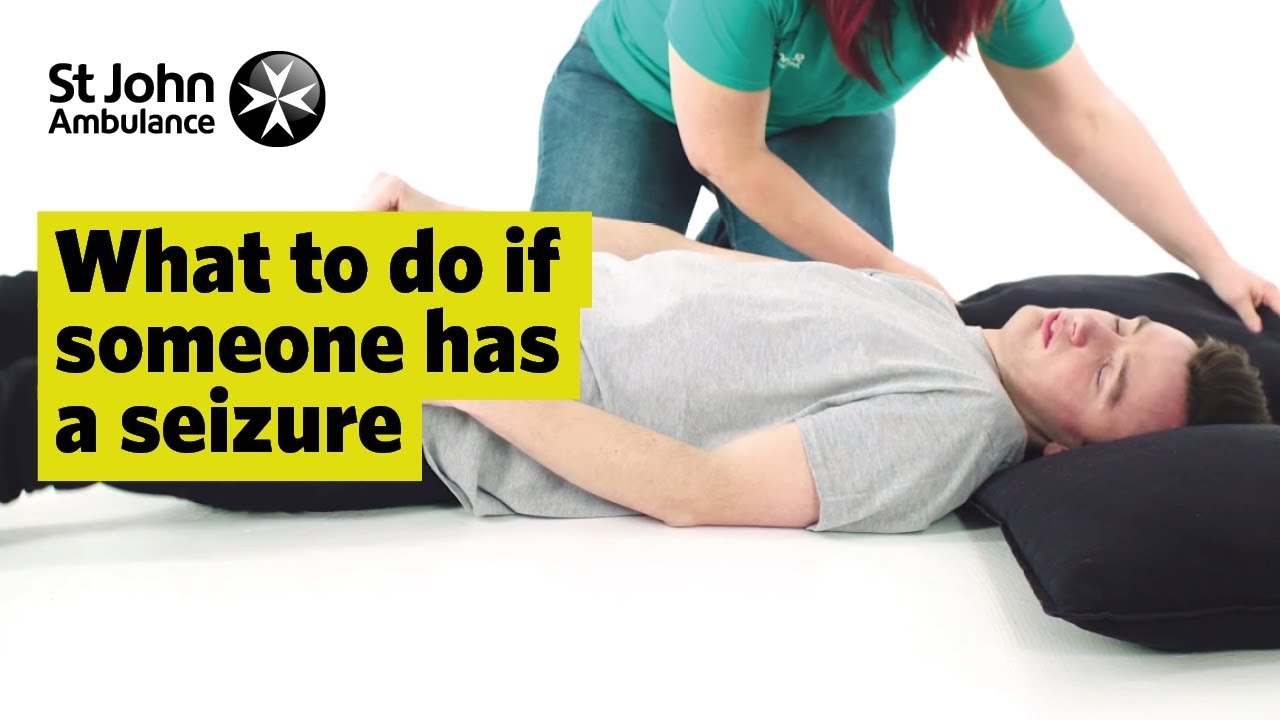
After the seizure, make a note of what happened, how long it lasted, and any other relevant information. This information will be useful when the person sees a doctor.
Keep The Person Safe
_Final.jpg?MOD=AJPERES&CACHEID=ROOTWORKSPACE.Z18_MP541240M8QL00A94691A238J3-8d428180-13b2-4c51-b1de-baed3c2440e7-npEd2sb)
After the seizure, keep the person safe. They may still feel disoriented, so be sure to keep them away from any dangerous objects or situations.
Be Supportive

Seizures can be scary, and the person experiencing it may feel embarrassed or ashamed. Be supportive and let them know that seizures are a common occurrence, and there is nothing to be ashamed of.
Know The Person's Seizure Triggers

Some people have specific triggers that can cause seizures. It is essential to know the person's seizure triggers so that you can help them avoid them.
Encourage The Person To See A Doctor

After a seizure, encourage the person to see a doctor. Seizures can be a symptom of an underlying medical condition, and it is essential to get a proper diagnosis and treatment.
Understand The Different Types Of Seizures
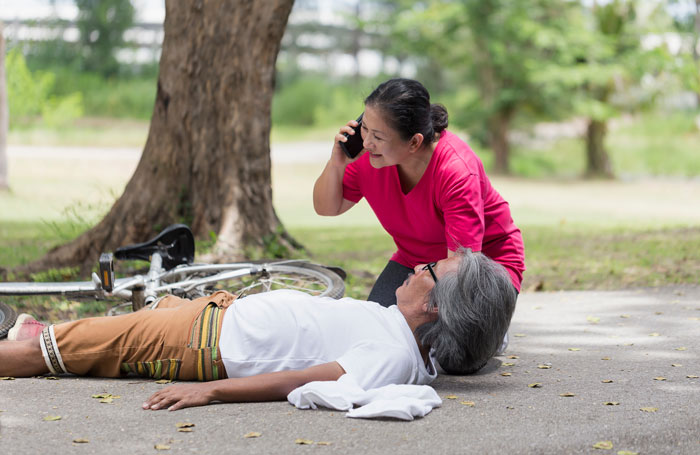
There are different types of seizures, and it is essential to understand them so that you can help the person experiencing it. Some types of seizures may require specific first aid techniques.
Learn First Aid Techniques

It is important to learn first aid techniques for seizures so that you can help the person experiencing it. Attend a first aid course or ask a medical professional to teach you the necessary techniques.
Know The Person's Medications

Some medications can trigger seizures or interact with seizure medications. It is essential to know the person's medications so that you can inform medical professionals in case of an emergency.
Be Prepared

Always be prepared for a seizure. Keep a first aid kit nearby, and know what to do in case of an emergency. It is better to be prepared than to panic in a stressful situation.
Avoid Stigmatizing Language

Avoid using stigmatizing language when referring to someone who has had a seizure. Do not use words like "epileptic" or "fit" as they can be hurtful and stigmatizing.
Conclusion
Seizures can be scary, but with the right knowledge and first aid techniques, you can help the person experiencing it. Remember to stay calm, protect the person, time the seizure, and call for medical help if necessary. Be supportive, encourage the person to see a doctor, and be prepared for a seizure. With the right information and preparation, you can help someone experiencing a seizure and make a difference in their life.