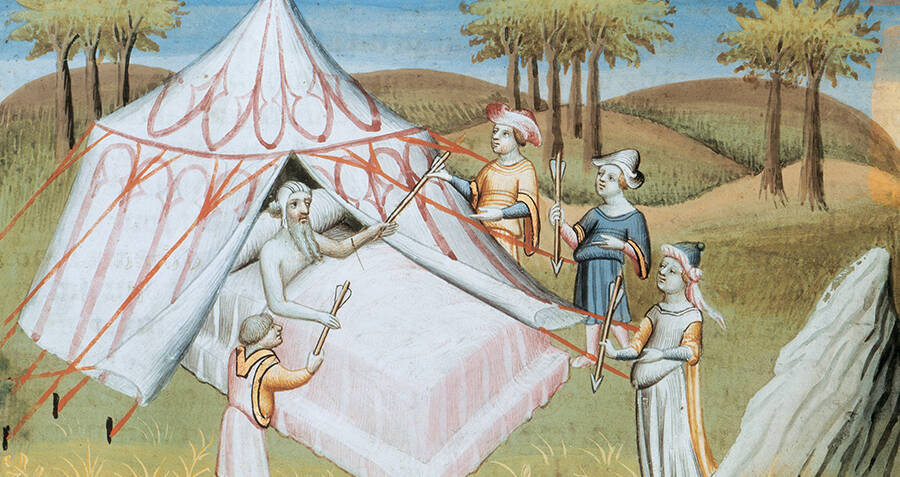
Genghis Khan, the founder of the Mongol Empire, was born in 1162 in what is now Mongolia. He was a fierce warrior and a brilliant strategist who conquered vast territories and created the largest empire in history. However, despite his military prowess and his many achievements, Genghis Khan died like any mortal man.
Early Life and Rise to Power

Genghis Khan was born as Temujin, the son of a minor Mongol chieftain. His early life was marked by hardship and violence, as he had to fend for himself and his family after his father was poisoned by a rival tribe.
Despite these challenges, Temujin showed great leadership skills and charisma, and he quickly gathered a group of loyal followers around him. He also formed alliances with other tribes, and gradually expanded his influence and power.
In 1206, Temujin was proclaimed as Genghis Khan, which means "universal ruler" in Mongolian. He then embarked on a series of military campaigns to conquer neighboring territories and expand his empire.
The Mongol Empire
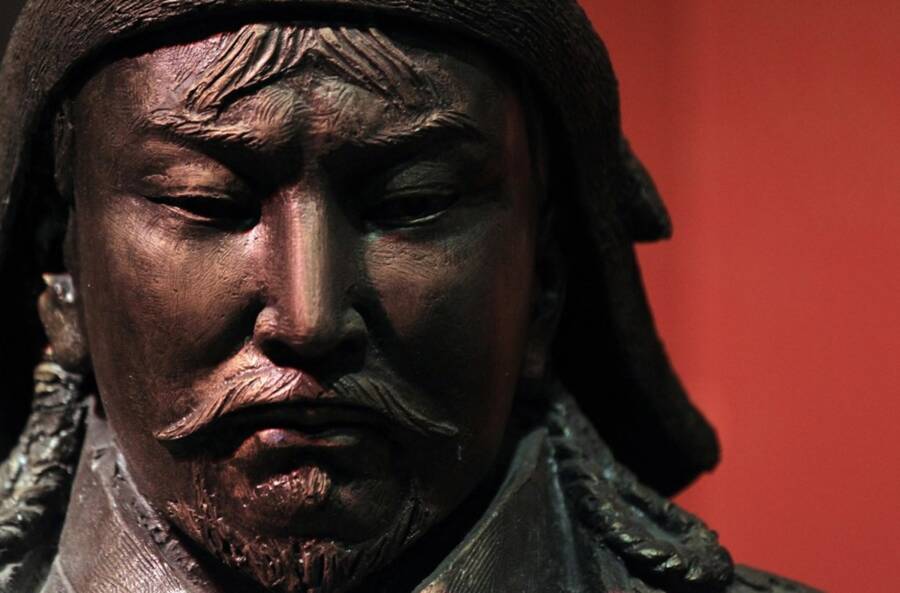
Under Genghis Khan's leadership, the Mongol Empire grew rapidly and became the dominant power in Asia. His armies conquered China, Central Asia, and parts of Eastern Europe, and he established a system of government that was based on merit rather than birth.
Genghis Khan was also a great patron of the arts and culture, and he encouraged the exchange of ideas and knowledge between different peoples and civilizations.
Genghis Khan's Death
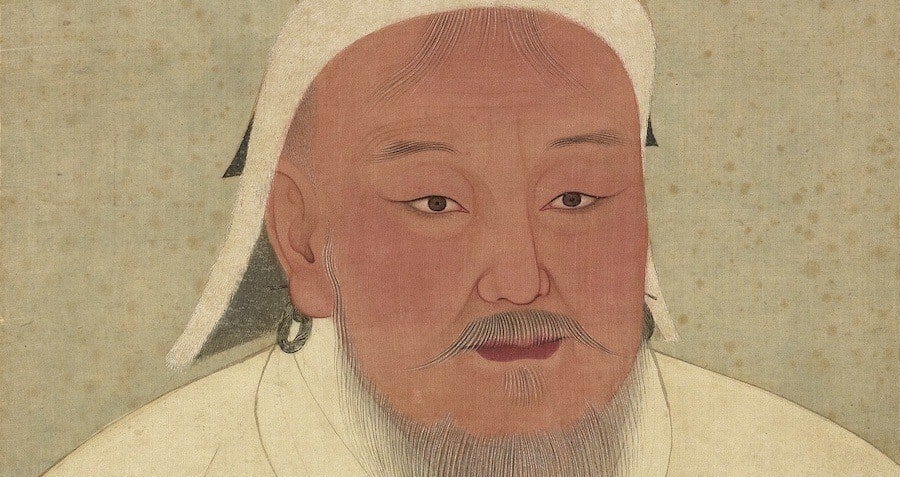
Genghis Khan died in August 1227, at the age of 65. His death was unexpected and sudden, and it is still shrouded in mystery and legend.
According to some accounts, Genghis Khan fell from his horse while hunting, and suffered internal injuries that eventually led to his death. Others say that he died of illness, or was poisoned by one of his enemies.
Whatever the cause of his death, Genghis Khan's legacy lived on, and his empire continued to expand under the leadership of his successors.
The Legacy of Genghis Khan

Genghis Khan's impact on world history cannot be overstated. His military conquests and political innovations reshaped the world map, and his legacy inspired generations of rulers and leaders.
However, Genghis Khan's legacy is not without controversy. His military campaigns were marked by extreme violence and brutality, and his empire was built on the subjugation and exploitation of countless people.
Nevertheless, Genghis Khan remains a complex and fascinating figure, whose life and achievements continue to be studied and admired by scholars and enthusiasts alike.
Conclusion
Genghis Khan, the founder of the Mongol Empire, died in 1227 at the age of 65. His death was sudden and unexpected, and the cause is still a matter of debate and speculation.
However, Genghis Khan's legacy continues to live on, and his impact on world history is undeniable. He was a brilliant strategist and a fierce warrior, whose military conquests and political innovations reshaped the world in ways that are still felt today.