
The Basics of Blood Types
Blood is a vital component of the human body that carries oxygen, nutrients, and waste products to and from the organs. It is made up of different components, including red blood cells, white blood cells, plasma, and platelets. However, not all blood is the same, and people have different blood types depending on the presence or absence of certain antigens and antibodies in their blood.
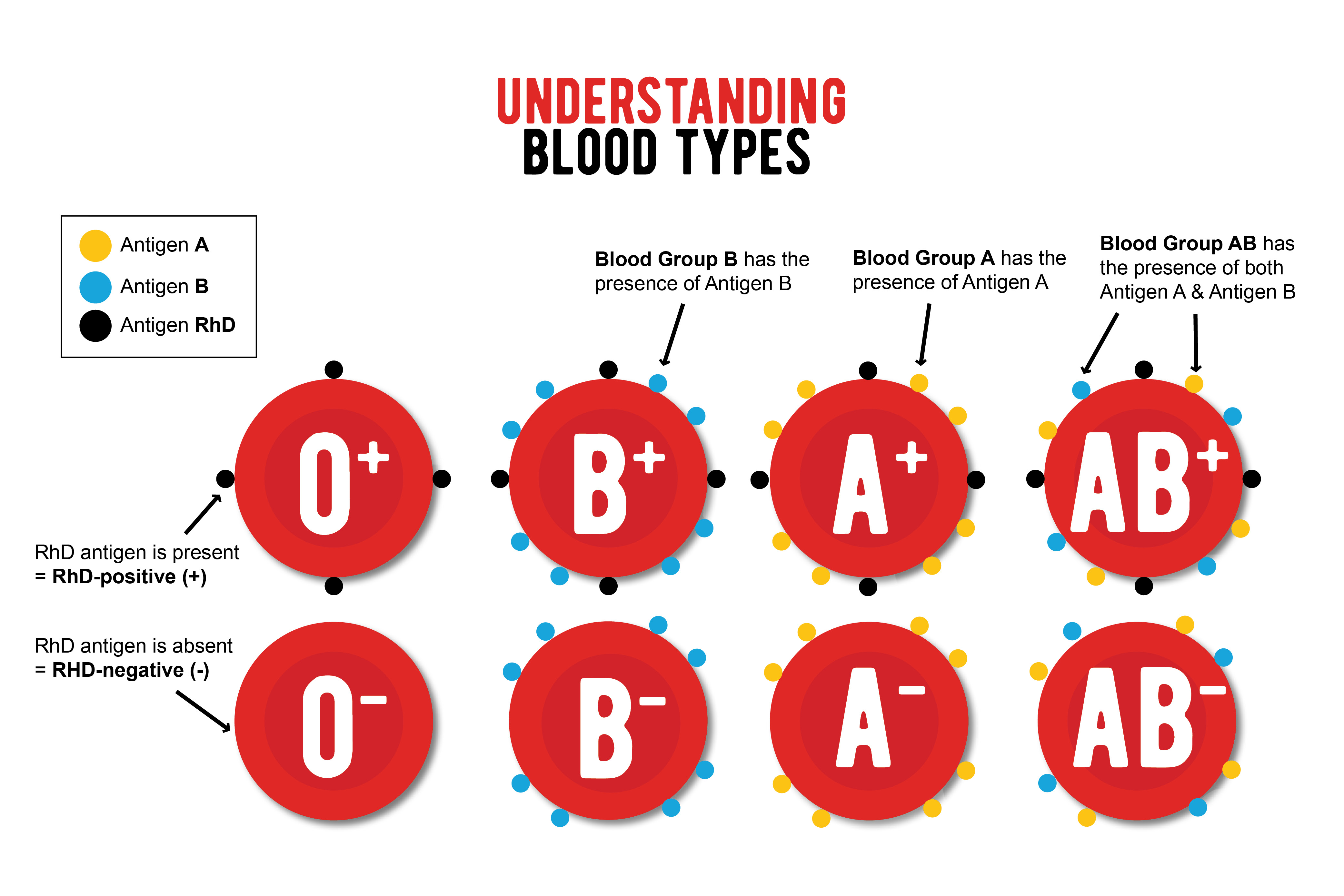
There are four major blood types: A, B, AB, and O. These blood types are based on the presence or absence of two antigens, A and B, on the surface of red blood cells. People with type A blood have only A antigens, type B have only B antigens, type AB have both A and B antigens, and type O have neither A nor B antigens.

Where Does B Blood Come From?
The B blood type is relatively rare compared to the other blood types. It is estimated that only around 10% of the global population has type B blood. So where does B blood come from?
Scientists believe that the different blood types evolved as a result of human migration and adaptation to different environments. The A and B antigens are thought to have originated from different sources of bacteria and viruses that humans encountered throughout history.
It is believed that type B blood originated in Asia, specifically in the Himalayan region. This theory is supported by the fact that the highest frequency of type B blood is found in populations in and around the Himalayas, such as Tibet, Nepal, and northern India.
The Genetics of Blood Types
While the origin of blood types can be traced back to human history, the inheritance of blood types is determined by genetics. Each person inherits their blood type from their parents through their genes.
The A and B antigens are encoded by different alleles of the same gene, called the ABO gene. People with type A blood have two copies of the A allele, people with type B blood have two copies of the B allele, people with type AB blood have one copy of each allele, and people with type O blood have two copies of the O allele.
The Rh factor is another antigen that can be present on the surface of red blood cells. People who have this antigen are said to be Rh positive, while those who do not are Rh negative. The inheritance of Rh factor is also determined by genetics.
Blood Types and Health Risks
Knowing your blood type is important for a variety of reasons, including medical emergencies and blood transfusions. Incompatible blood types can cause severe immune reactions that can be life-threatening.
Blood type can also be a factor in certain health risks and conditions. For example, people with type A blood have been found to be at a slightly higher risk for certain cancers and cardiovascular diseases, while people with type O blood may have a lower risk of heart disease.
The Bottom Line
So where does B blood come from? It is believed to have originated in Asia, specifically in the Himalayan region. While the origin of blood types can be traced back to human history, the inheritance of blood types is determined by genetics. Knowing your blood type is important for medical reasons and can also provide insights into your risk for certain health conditions.