Asexual reproduction is a type of reproduction that doesn't involve the fusion of gametes. In other words, it is a way for animals to reproduce without the need for a partner. While sexual reproduction is the most common form of reproduction in the animal kingdom, there are many animals that can reproduce asexually. In this article, we will explore which animals are asexual and how they reproduce.
What is Asexual Reproduction?
Asexual reproduction is a type of reproduction that doesn't involve the merging of male and female gametes. Instead, the offspring are produced from a single parent. This can happen in several ways, such as budding, fragmentation, or parthenogenesis.
Animals That Reproduce Asexually
There are many animals that can reproduce asexually, including:
1. Hydra
Hydra is a small, freshwater animal that reproduces asexually through budding. The parent hydra develops a bud on its body, which grows into a new hydra.
2. Jellyfish
Jellyfish can reproduce both sexually and asexually. When they reproduce asexually, they do so through a process called strobilation. The jellyfish will produce small, immature jellyfish called ephyrae.
3. Starfish
Starfish can reproduce asexually through a process called fragmentation. If a starfish loses one of its arms, that arm can regenerate into a new starfish.
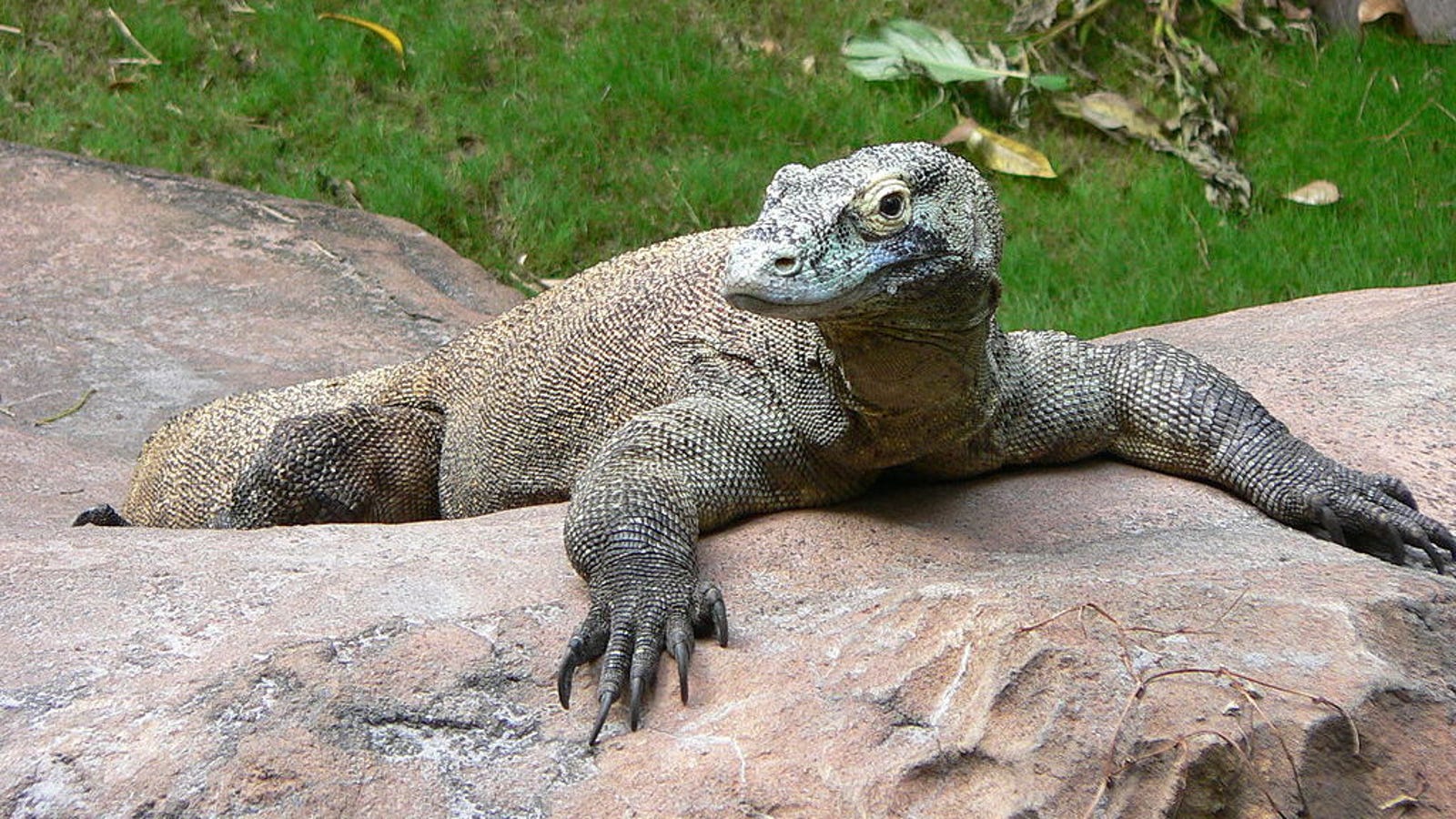
4. Komodo Dragon
Komodo dragons can reproduce asexually through a process called parthenogenesis. This is when an unfertilized egg develops into an offspring.
5. Aphids
Aphids are small, sap-sucking insects that can reproduce asexually through a process called parthenogenesis. Females give birth to live young without the need for fertilization.
Advantages of Asexual Reproduction
Asexual reproduction has several advantages for animals. For one, it eliminates the need to find a mate, which can be difficult and time-consuming. Additionally, it allows animals to rapidly increase their population size in favorable conditions.
Disadvantages of Asexual Reproduction
While asexual reproduction has its advantages, it also has its disadvantages. One major disadvantage is that it limits genetic diversity. Sexual reproduction allows for the mixing of genes from two parents, which can result in offspring that are better adapted to their environment.
Conclusion
In conclusion, there are many animals that can reproduce asexually. While it has its advantages, it also has its disadvantages. As with most things in nature, there is a trade-off. By understanding the different forms of reproduction in the animal kingdom, we can better appreciate the diversity of life on Earth.
:max_bytes(150000):strip_icc()/GettyImages-1010533752-978a9f49dd504951a59370477fe83562.jpg)


:max_bytes(150000):strip_icc()/seastar_fragmentation-5bae7b99c9e77c0026ca8210.jpg)