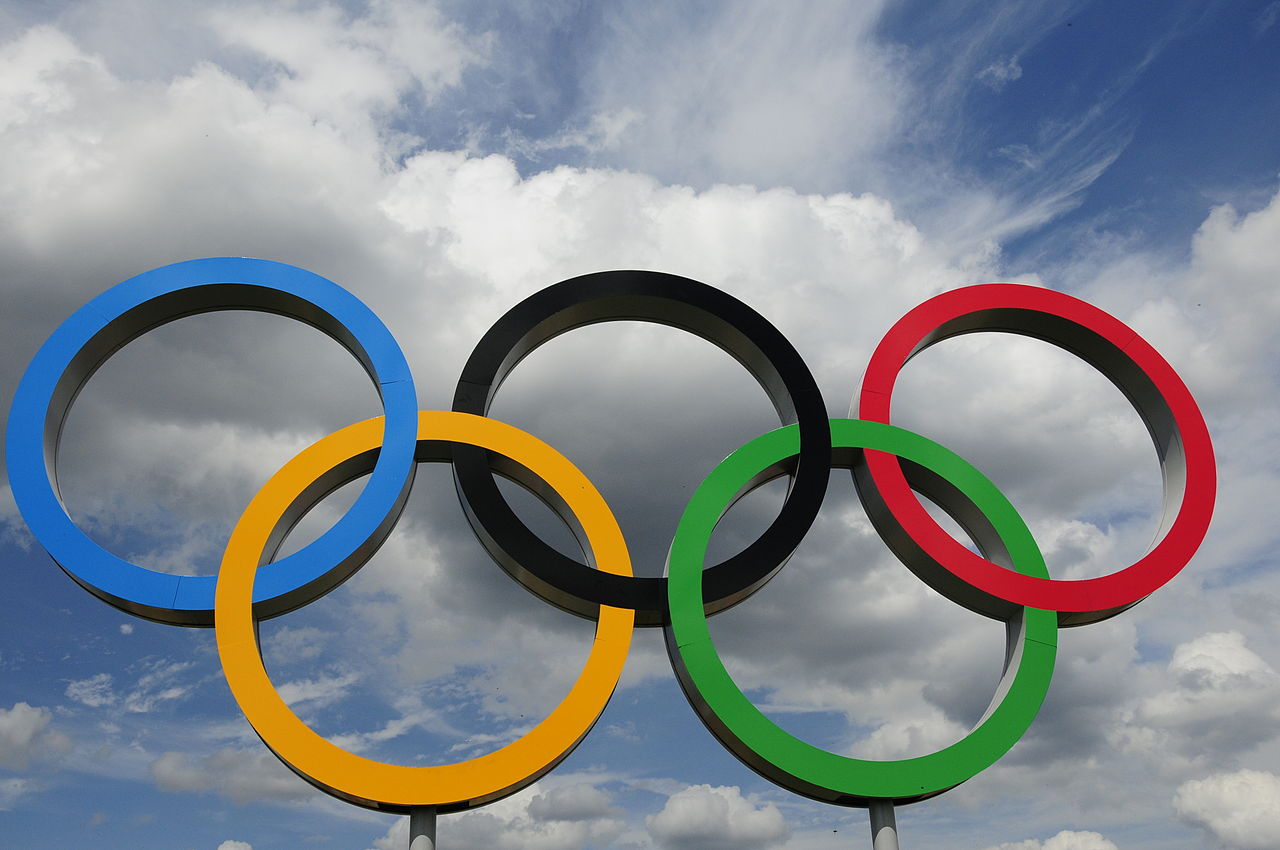
The Olympic Rings are one of the most recognizable symbols in the world. These rings represent the Olympic Games, which is a global sporting event that brings athletes from all over the world together to compete. The Rings were created by Pierre de Coubertin, a French educator and sports organizer who founded the International Olympic Committee (IOC) in 1894.
The Meaning Behind the Rings

The five rings represent the five continents of the world: Africa, the Americas, Asia, Australia, and Europe. The colors of the rings (blue, yellow, black, green, and red) were chosen because every nation in the world has at least one of these colors on their national flag.
The interconnected rings symbolize the unity of the world's athletes and the meeting of the athletes from all over the world at the Olympic Games. The Rings also represent the friendship, respect, and fair play that are the foundation of the Olympic Games.
The History of the Olympic Rings
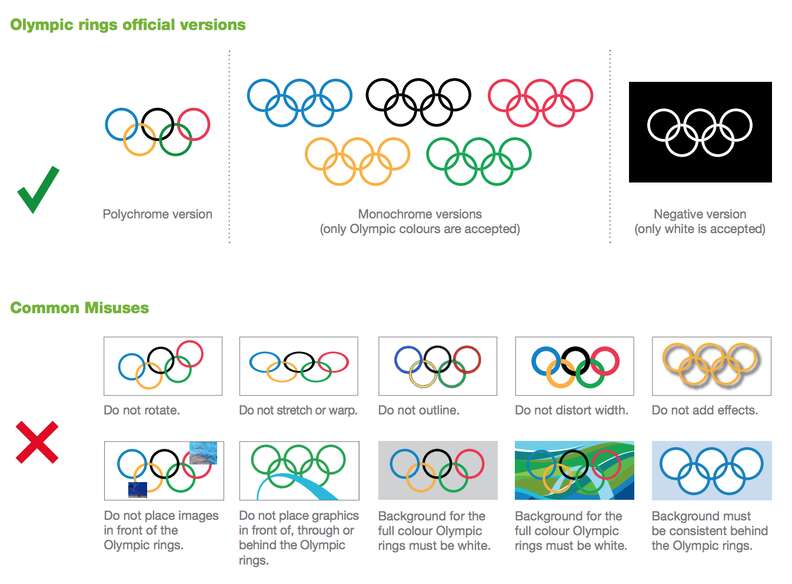
The Olympic Rings were first introduced in 1913, two years before the first modern Olympic Games. The Rings made their debut at the 1920 Summer Olympics in Antwerp, Belgium. Since then, the Rings have become an integral part of the Olympic Games and are used in all Olympic-related materials, from the Olympic flag to the medals that are awarded to the athletes.
Over the years, the Rings have gone through some changes. The original design had a white background with the five colored rings. Later on, the design was changed to have a white background with the five rings interlocking with each other. In 1986, the Rings were updated with a more modern and sleek design.
The Importance of the Olympic Rings

The Olympic Rings are an important symbol of the Olympic Games. They represent the unity, friendship, and respect that the athletes bring to the Games. The Rings are also a reminder of the importance of fair play and sportsmanship in athletics, and they serve as a source of inspiration for athletes around the world.
The Olympic Rings are also a symbol of hope for the world. The Games bring together people from all over the world, regardless of their race, religion, or nationality. The Rings represent the power of sports to bring people together and promote peace and understanding.
The Legacy of the Olympic Rings

The Olympic Rings have become a global symbol of sports and unity. They represent the power of sports to bring people together and promote peace and understanding. The Rings have inspired generations of athletes to strive for excellence and to compete with honor and respect.
As the Olympic Games continue to evolve and grow, the Rings will remain an important symbol of the Games and the values they represent. The legacy of the Olympic Rings will continue to inspire athletes and sports fans around the world for generations to come.
Conclusion
The Olympic Rings are a powerful symbol of unity, friendship, and respect. They represent the coming together of athletes from all over the world to compete in the Olympic Games. The Rings serve as a reminder of the importance of fair play, sportsmanship, and the power of sports to bring people together.
The Olympic Rings are more than just a symbol of the Olympic Games – they are a symbol of hope for the world. They represent the power of sports to promote peace and understanding and inspire people to be their best.