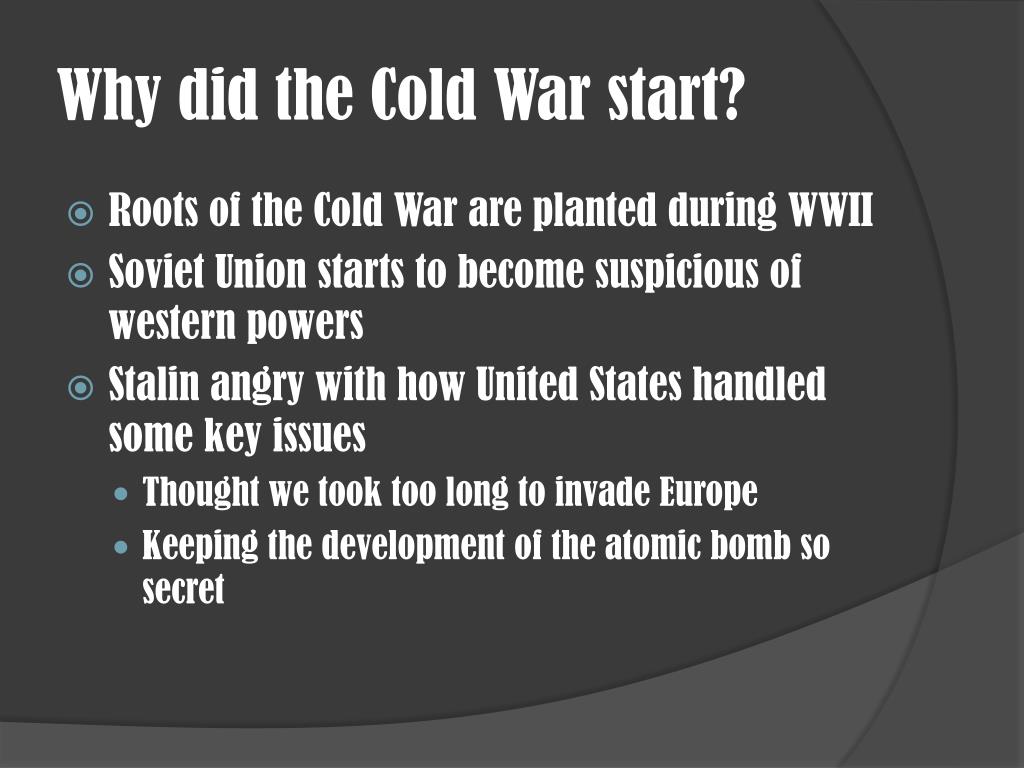
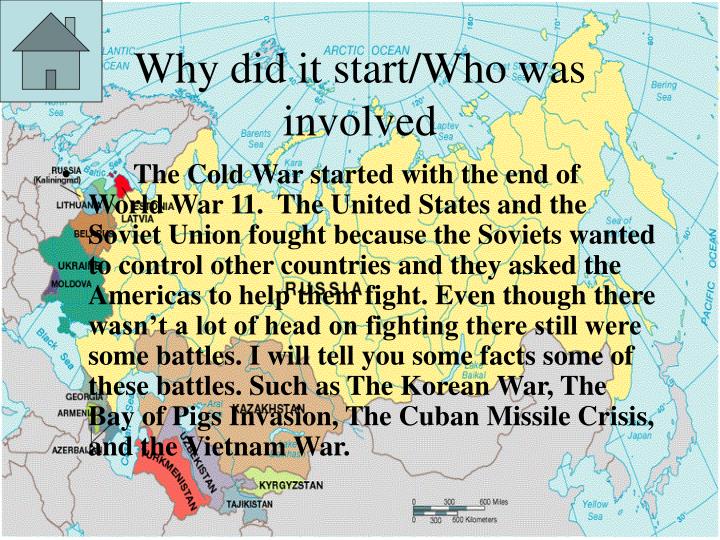
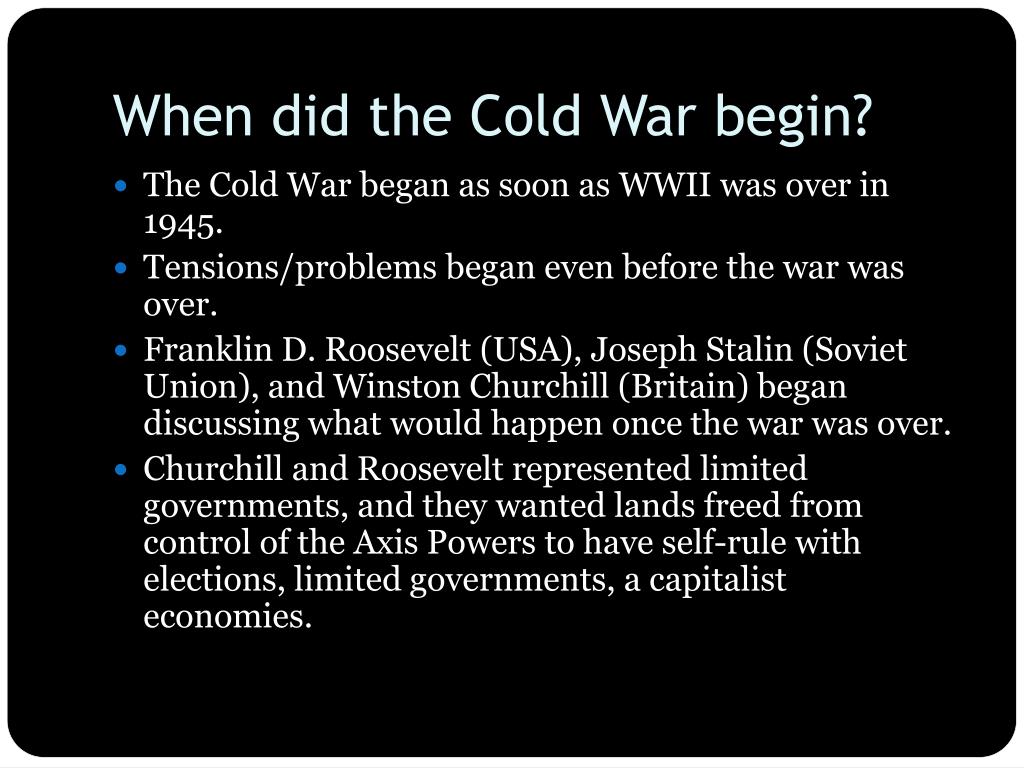
The Cold War was a period of political tension between the United States and the Soviet Union that lasted from the end of World War II until the early 1990s. The origins of the Cold War can be traced back to the end of World War II, when the Soviet Union and the United States emerged as the two superpowers of the world.
The Ideological Divide
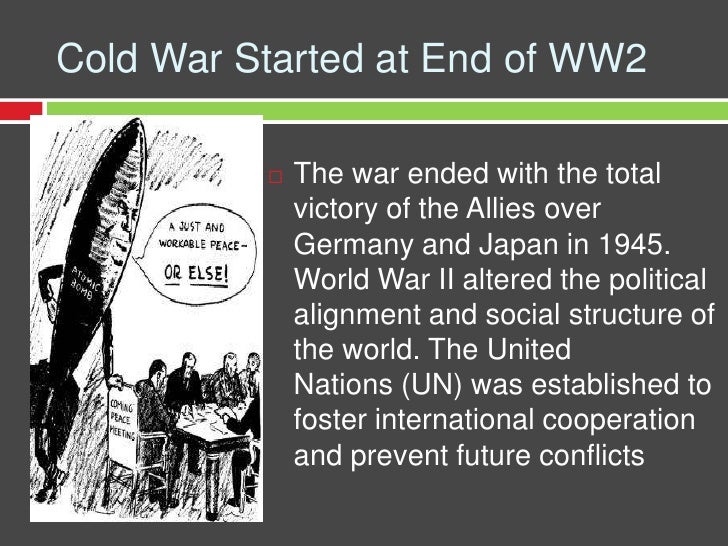
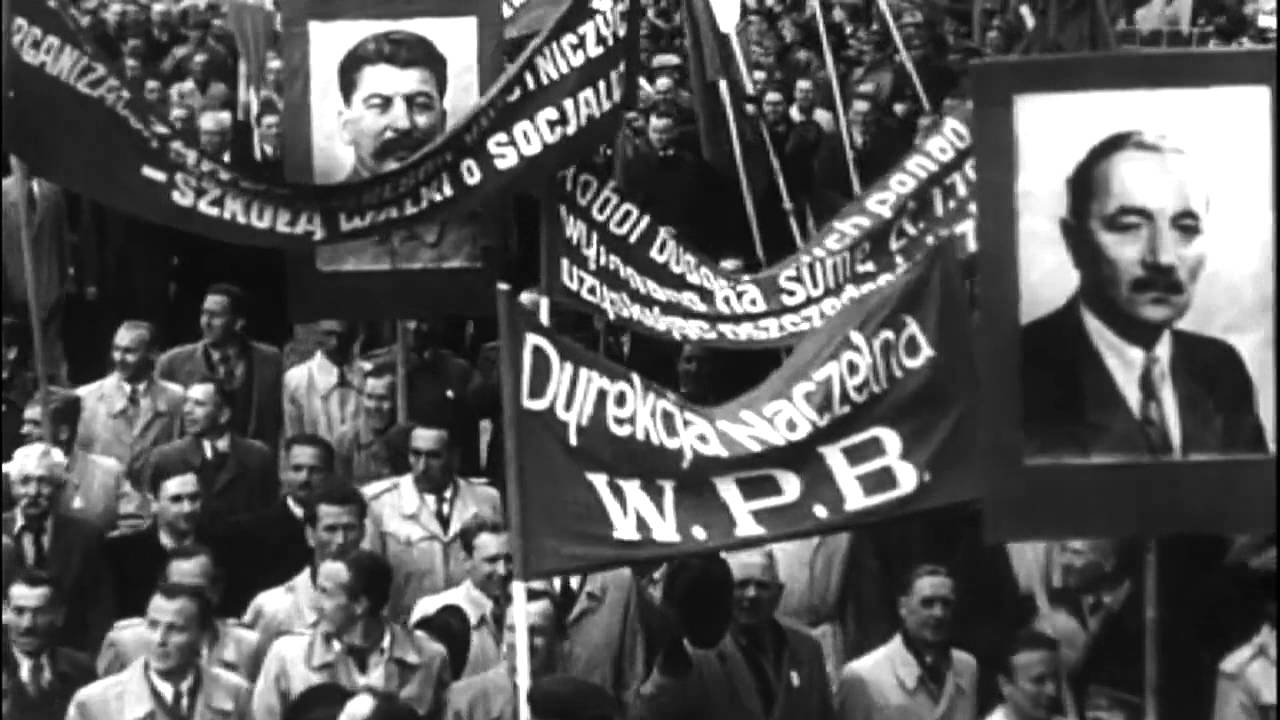
One of the primary reasons for the Cold War was the ideological divide between the United States and the Soviet Union. The United States was a capitalist democracy, while the Soviet Union was a communist state. The two nations had fundamentally different views on the role of government, the economy, and individual freedoms.
The United States believed in democracy, free markets, and individual liberty. The Soviet Union believed in communism, a command economy, and a strong state. These fundamental differences in ideology led to a deep mistrust between the two nations.
The Arms Race
Another major factor that contributed to the Cold War was the arms race between the United States and the Soviet Union. Both nations developed nuclear weapons and engaged in a dangerous game of one-upmanship.
The United States developed the atomic bomb during World War II, and the Soviet Union developed its own nuclear weapons in 1949. This led to a dangerous arms race, with both nations developing more and more powerful weapons in an attempt to gain an advantage over the other.
The Domino Theory
The Domino Theory was a key concept during the Cold War that held that if one country fell to communism, then other countries in the region would follow like falling dominos. The United States was concerned that the spread of communism would threaten its national security and the security of its allies.
The United States feared that the Soviet Union would spread communism throughout the world, and it sought to contain Soviet influence through a policy of containment. This policy involved providing economic and military aid to countries that were at risk of falling to communism.
The Marshall Plan
The Marshall Plan was a major initiative launched by the United States in 1948 to help rebuild Europe after World War II. The plan provided economic assistance to European countries that were in need of assistance, with the goal of preventing the spread of communism in Europe.
The Soviet Union viewed the Marshall Plan as a tool of American imperialism, and it sought to counter the plan with its own economic aid programs. This competition for influence in Europe further contributed to the tensions between the United States and the Soviet Union.
The Berlin Blockade
The Berlin Blockade was a major crisis that occurred in 1948 when the Soviet Union blockaded the city of Berlin, which was located within the Soviet zone of occupation in Germany. The blockade was an attempt by the Soviet Union to gain control over the city of Berlin.
The United States responded by airlifting supplies into the city, which helped to break the blockade. This crisis further heightened tensions between the United States and the Soviet Union.
The Korean War

The Korean War was a major conflict that occurred from 1950 to 1953 between North Korea, which was backed by the Soviet Union and China, and South Korea, which was backed by the United States and its allies. The war was a proxy conflict between the United States and the Soviet Union.
The United States and its allies intervened in the conflict to prevent the spread of communism, while the Soviet Union and China supported North Korea in an attempt to spread communism throughout the region.
The Cuban Missile Crisis

The Cuban Missile Crisis was a major crisis that occurred in 1962 when the Soviet Union placed nuclear missiles in Cuba, which is located just 90 miles from the United States. The United States responded by imposing a naval blockade of Cuba.
After a tense standoff, the Soviet Union agreed to remove the missiles in exchange for a US promise not to invade Cuba and to remove US missiles from Turkey. The Cuban Missile Crisis was the closest the world ever came to nuclear war, and it further heightened tensions between the United States and the Soviet Union.
The Vietnam War

The Vietnam War was a major conflict that occurred from 1955 to 1975 between North Vietnam, which was backed by the Soviet Union and China, and South Vietnam, which was backed by the United States and its allies. The war was a proxy conflict between the United States and the Soviet Union.
The United States intervened in the conflict to prevent the spread of communism, while the Soviet Union and China supported North Vietnam in an attempt to spread communism throughout the region.
The End of the Cold War
The Cold War came to an end in the late 1980s and early 1990s with the collapse of the Soviet Union. The Soviet Union was unable to keep up with the economic and military expenditures required to maintain its global influence.
The United States emerged as the sole superpower in the world, and the ideological conflict between the United States and the Soviet Union came to an end. The end of the Cold War marked a major turning point in world history.
Conclusion
The Cold War was a complex and multifaceted conflict that was driven by a number of factors, including ideological differences, the arms race, the Domino Theory, the Marshall Plan, the Berlin Blockade, the Korean War, the Cuban Missile Crisis, and the Vietnam War. The conflict lasted for more than four decades and had a profound impact on world history.