
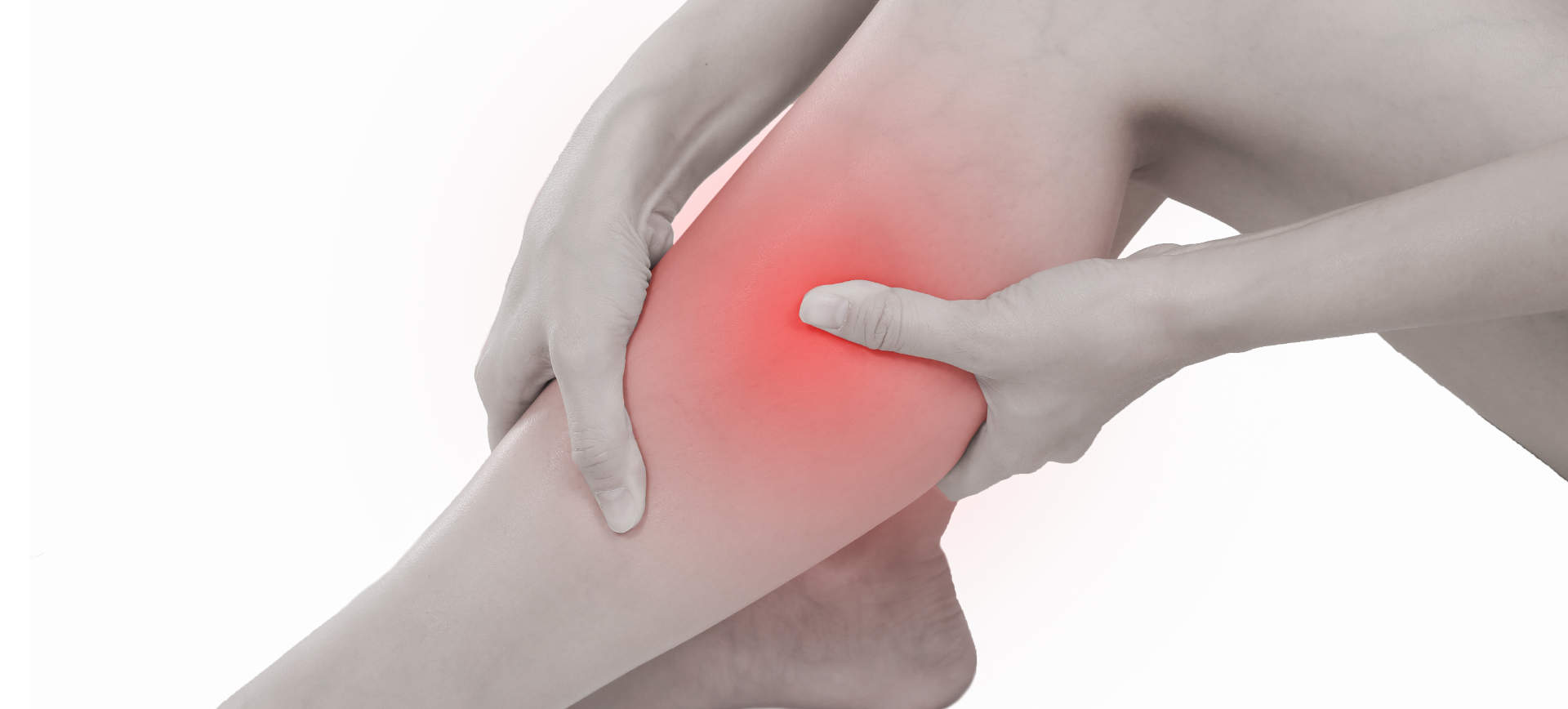
Leg pain is a common issue that many people experience, especially as they age. There are many possible causes of leg pain, ranging from minor issues such as muscle strains to more serious conditions like deep vein thrombosis (DVT). In this article, we'll explore some of the most common reasons why your legs might be hurting.
Muscle Strains

Muscle strains are one of the most common causes of leg pain. They occur when a muscle is stretched too far or torn. This can happen during exercise or other physical activity, or even during normal daily activities. Symptoms of a muscle strain include pain, swelling, and stiffness in the affected muscle. Most muscle strains can be treated with rest, ice, compression, and elevation (RICE).
Shin Splints

Shin splints are another common cause of leg pain, especially among runners and other athletes. They occur when the muscles and tendons around the shin bone become inflamed. Symptoms of shin splints include pain, tenderness, and swelling along the shin bone. Treatment typically involves rest, ice, compression, and stretching exercises.
Varicose Veins

Varicose veins are enlarged, twisted veins that are often visible just beneath the surface of the skin. They most commonly occur in the legs and can cause pain, swelling, and aching. Treatment for varicose veins may include compression stockings, lifestyle changes, or in some cases, surgery.
Arthritis
Arthritis is a condition that causes inflammation and pain in the joints. It can affect any joint in the body, including those in the legs. Symptoms of arthritis in the legs may include pain, stiffness, and difficulty walking. Treatment for arthritis may include medication, physical therapy, or joint replacement surgery.
Peripheral Artery Disease

Peripheral artery disease (PAD) is a condition that occurs when the arteries in the legs become narrowed or blocked, reducing blood flow to the legs. Symptoms of PAD may include leg pain, cramping, and weakness, especially during physical activity. Treatment for PAD may include lifestyle changes, medication, or in some cases, surgery.
Deep Vein Thrombosis

Deep vein thrombosis (DVT) is a serious condition that occurs when a blood clot forms in one of the deep veins in the body, usually in the legs. Symptoms of DVT may include pain, swelling, and warmth in the affected leg. Treatment for DVT may include medication to prevent the clot from getting larger or breaking off and moving to the lungs, which can be life-threatening.
Restless Leg Syndrome

Restless leg syndrome (RLS) is a condition that causes an uncomfortable sensation in the legs, often described as a creeping, crawling, or tingling feeling. This sensation can be relieved by moving or stretching the legs. RLS can cause difficulty sleeping and may be treated with medication or lifestyle changes.
Conclusion
If you're experiencing leg pain, it's important to talk to your doctor to determine the cause and appropriate treatment. In addition to the conditions listed above, there are many other possible causes of leg pain, including nerve damage, bone fractures, and infections. By working with your doctor, you can find the best way to relieve your leg pain and get back to enjoying your daily activities.