
Have you ever experienced sore muscles after an intense workout? Whether it’s lifting weights, running, or any other physical activity, muscle soreness is a common occurrence. It can be uncomfortable and painful, but it’s a sign that your body is adapting and getting stronger.
What Causes Muscle Soreness?
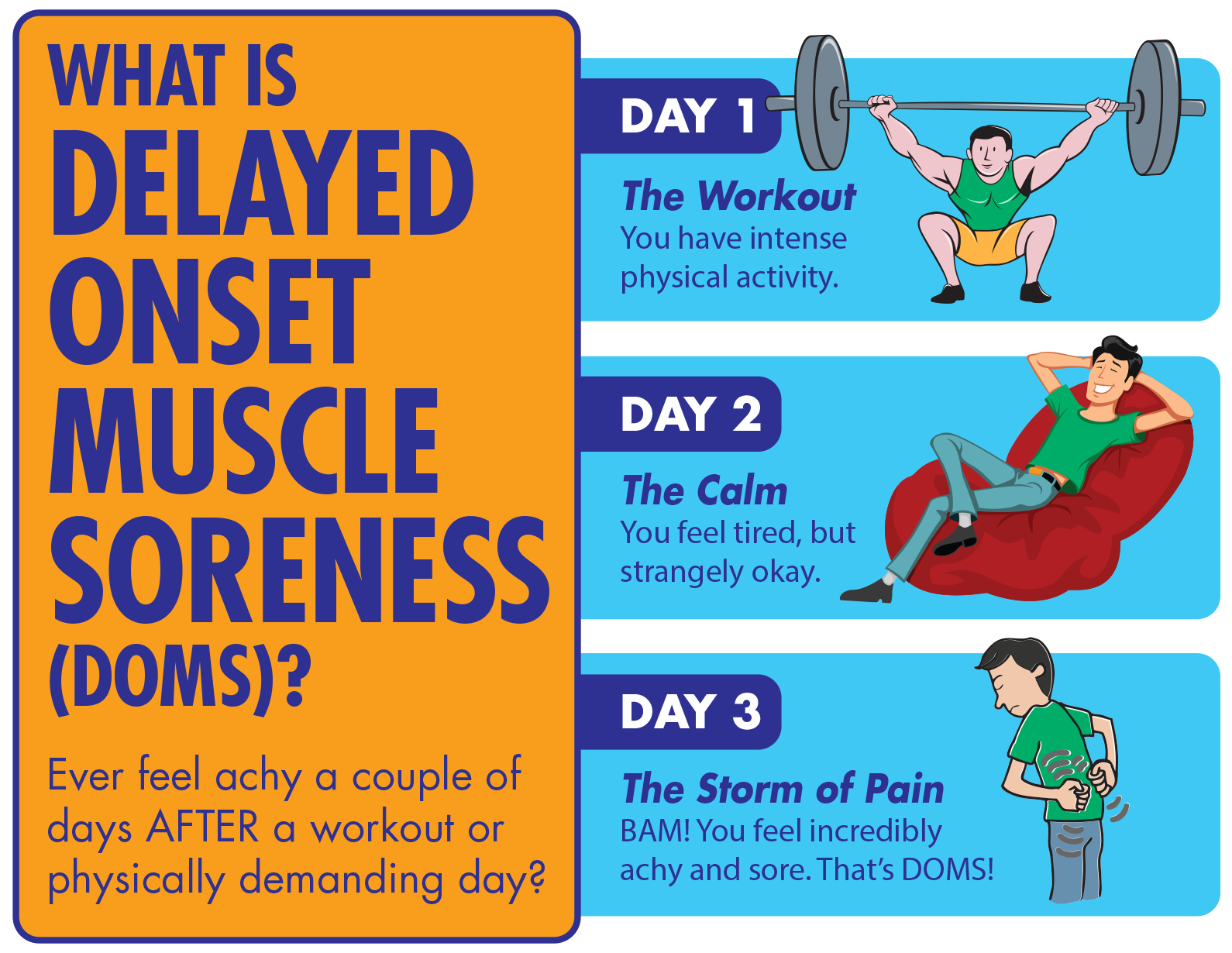
There are two types of muscle soreness: acute and delayed onset muscle soreness (DOMS). Acute muscle soreness occurs during or immediately after exercise, while DOMS occurs 24-48 hours after exercise.
Acute muscle soreness is caused when your muscles are fatigued and produce waste products such as lactic acid. This can cause a burning sensation in your muscles during exercise. DOMS, on the other hand, is caused by microscopic tears in your muscle fibers. This type of muscle soreness is more common after high-intensity or resistance training exercises.
How Does Exercise Cause Muscle Soreness?

When you exercise, you create small tears in your muscle fibers. This is a normal process and is essential for muscle growth and repair. Your body then repairs and rebuilds these muscles, making them stronger and more resilient.
During the repair process, your body also causes inflammation in the affected area. This inflammation can cause swelling, pain, and stiffness, which leads to muscle soreness.
Factors that Contribute to Muscle Soreness

There are several factors that can contribute to muscle soreness:
- Intensity of exercise
- Duration of exercise
- Type of exercise
- Previous fitness level
- Age
- Dehydration
- Poor nutrition
These factors can increase the likelihood and severity of muscle soreness after exercise.
How to Prevent Muscle Soreness

While it’s impossible to completely prevent muscle soreness, there are things you can do to minimize it:
- Start with low-intensity exercise and gradually increase intensity
- Warm up before exercise and cool down after exercise
- Stay hydrated
- Eat a balanced diet with enough protein
- Get enough rest and sleep
- Stretch before and after exercise
These tips can help reduce muscle soreness and improve your overall exercise experience.
How to Treat Muscle Soreness

If you do experience muscle soreness, there are several things you can do to alleviate the pain:
- Use ice to reduce inflammation and swelling
- Take a warm bath or use a heating pad to relax your muscles
- Take over-the-counter pain relievers such as ibuprofen or acetaminophen
- Get a massage to increase blood flow and reduce tension
These treatments can help ease the pain and discomfort of muscle soreness.
Conclusion
Muscle soreness is a common occurrence after exercise, but it’s a sign that your body is adapting and getting stronger. Understanding the causes and factors that contribute to muscle soreness can help you prevent and treat it effectively. By following these tips, you can minimize muscle soreness and improve your overall exercise experience.