Grey hair is a common sign of aging, but have you ever wondered why it happens? In this article, we will explore the science behind why hair turns grey and what factors contribute to this natural process.
What Causes Hair to Have Color?

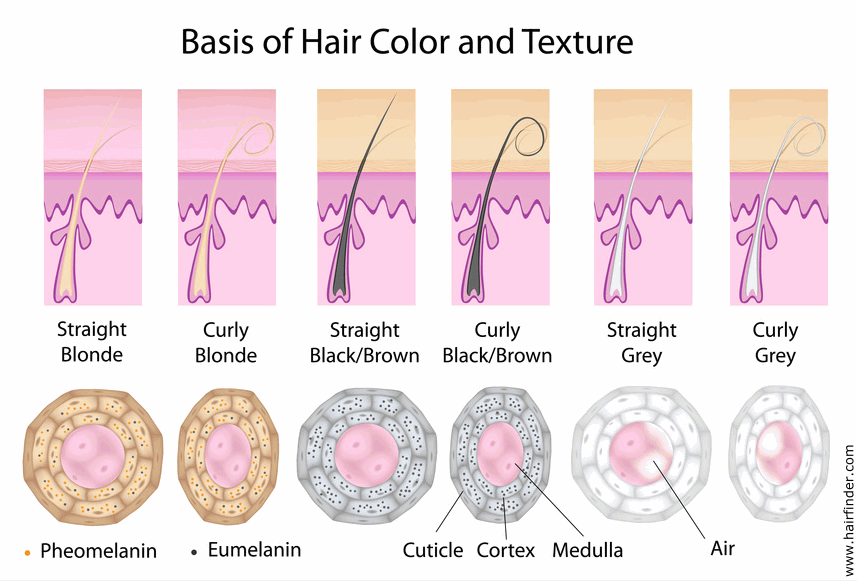
Hair color is determined by the amount and type of melanin in the hair follicle. Melanin is a pigment produced by specialized cells called melanocytes, which are located at the base of each hair follicle. There are two types of melanin: eumelanin and pheomelanin. Eumelanin is responsible for shades of brown and black, while pheomelanin produces red and blonde shades.
Why Does Hair Turn Grey?

As we age, our bodies produce less melanin, causing hair to lose its color and turn grey or white. This occurs because the melanocytes gradually die off, reducing the amount of melanin in the hair follicle. The reduction in melanin production is influenced by various factors such as genetics, stress, and environmental factors such as pollution and exposure to UV radiation.
Genetics and Grey Hair
/GettyImages-555001311-56882da15f9b586a9e52e1bd.jpg)
Genetics play a significant role in the onset of grey hair. Studies have shown that the age at which hair starts to turn grey is largely determined by our genes. For example, if your parents started to go grey in their 20s, you are more likely to experience premature greying. However, it is not just your parents' genes that influence hair color. Scientists have identified several genes that are involved in melanin production and hair pigmentation, which can influence the onset of grey hair.
Stress and Grey Hair
Stress has been linked to premature greying. When we experience stress, our bodies release a hormone called cortisol, which can damage melanocytes and reduce the production of melanin. This can lead to premature greying in some individuals. However, more research is needed to fully understand the relationship between stress and grey hair.
Environmental Factors and Grey Hair

Environmental factors such as pollution and exposure to UV radiation can also contribute to premature greying. Pollution can damage hair follicles and reduce melanin production, while UV radiation can cause oxidative stress, which can damage melanocytes and reduce the production of melanin. Protecting your hair from these environmental factors can help to slow down the onset of grey hair.
Can Grey Hair Be Reversed?

Unfortunately, there is currently no way to reverse grey hair. However, there are ways to slow down the onset of grey hair. Maintaining a healthy diet, reducing stress, and protecting your hair from environmental factors can all help to keep your hair healthy and delay the onset of grey hair.
In Conclusion
Grey hair is a natural part of the aging process. It occurs when the production of melanin in the hair follicle decreases, causing the hair to lose its color. Genetics, stress, and environmental factors can all contribute to the onset of grey hair. While there is no way to reverse grey hair, maintaining a healthy lifestyle can help to slow down the process and keep your hair looking healthy for longer.