Introduction
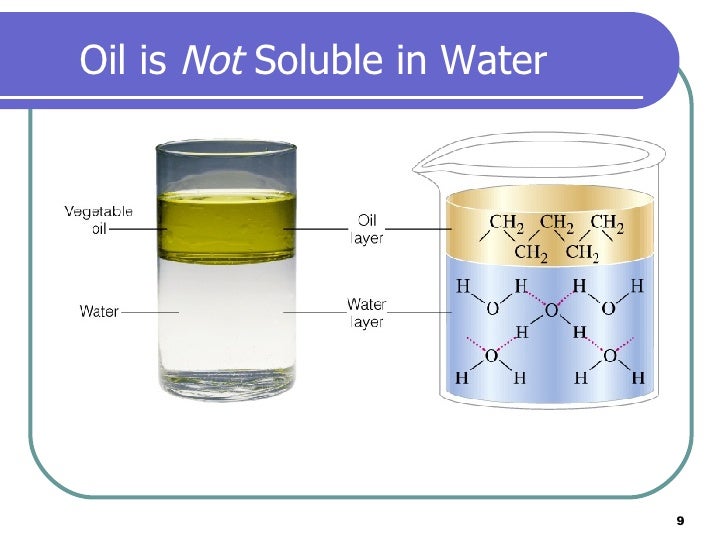
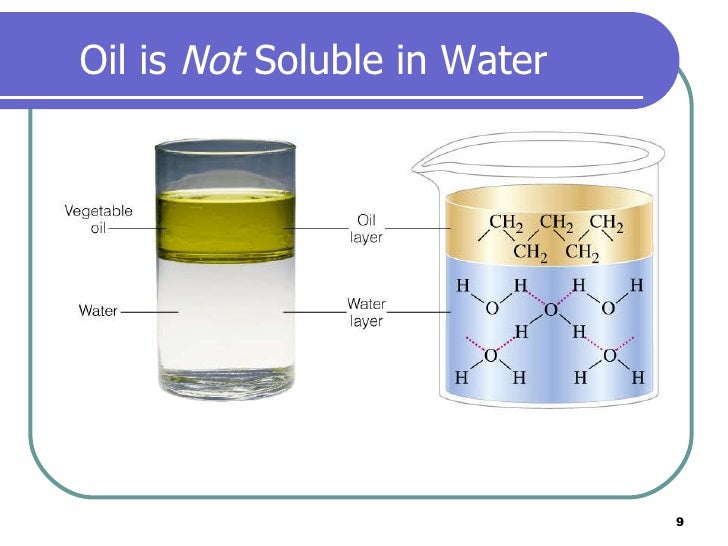
Oil and water are two liquids that do not mix well together. When you pour oil into water, the oil floats on top of the water and does not dissolve. This is because oil and water are made up of different types of molecules that cannot bond together. In this article, we will explore why oil does not dissolve in water.
The Chemistry of Oil and Water
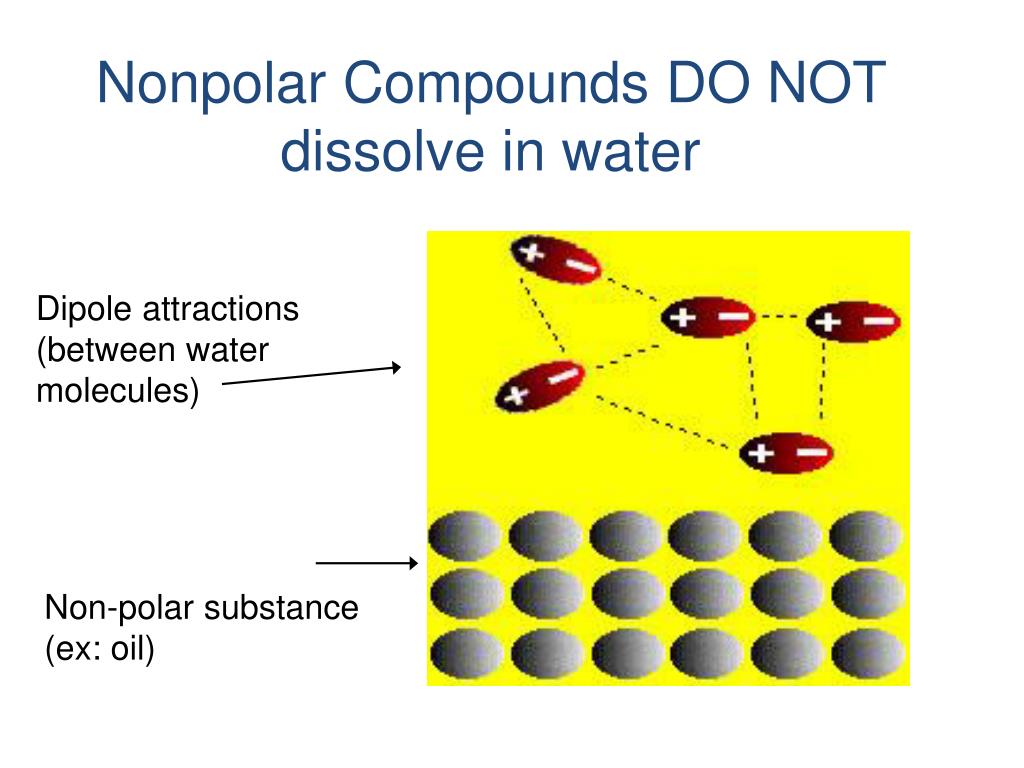
Water is a polar molecule, which means that it has a positive and negative end. This allows water to form hydrogen bonds with other polar molecules, such as itself. Oil, on the other hand, is a nonpolar molecule, which means that it does not have a positive or negative end. This makes it unable to form hydrogen bonds with water molecules.

The Role of Intermolecular Forces
The reason why oil and water do not mix is because of the different intermolecular forces between their molecules. Intermolecular forces are the forces that hold molecules together in a liquid or solid state. The two main types of intermolecular forces are hydrogen bonding and London dispersion forces.
Hydrogen bonding is the strongest type of intermolecular force and occurs between polar molecules. London dispersion forces, on the other hand, are the weakest type of intermolecular force and occur between nonpolar molecules.
The Effect of Density
Another reason why oil and water do not mix is because of their different densities. Density is the mass of a substance per unit volume. Oil is less dense than water, which means that it is lighter and floats on top of the water.
The Importance of Solubility
Solubility is the ability of a substance to dissolve in another substance. In the case of oil and water, oil is not soluble in water because they have different chemical structures. Oil is made up of long chains of hydrocarbons, while water is made up of polar molecules.
The Role of Emulsifiers
Emulsifiers are substances that help to mix two liquids that do not normally mix together. They work by breaking down the surface tension between the two liquids, allowing them to mix. Some common emulsifiers include soap and egg yolks.
Conclusion
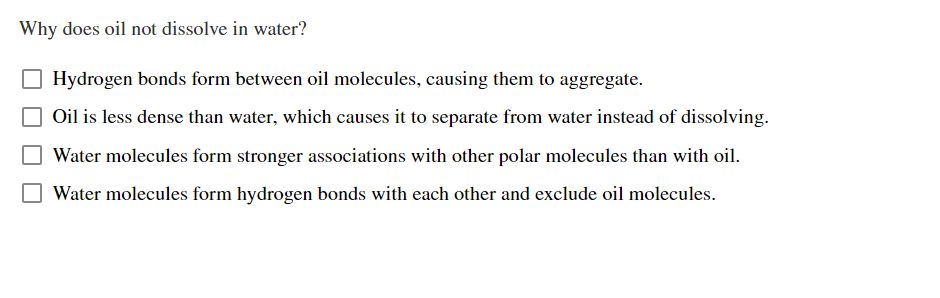
In conclusion, oil does not dissolve in water because of the different intermolecular forces between their molecules, their different densities, and their different chemical structures. While oil and water may not mix well together, emulsifiers can be used to help them mix. Understanding the chemistry behind why oil does not dissolve in water can help us to better appreciate the unique properties of these two liquids.